Iraola's Candid Assessment of Liverpool’s Squad Limitations
In a tightly contested pre-season match, Liverpool secured a 1-0 victory against Wrexham in New York. This result, while positive, serves as a lens into the current team dynamics and the pressing gaps needing attention. Pre-season matches often provide more than just scores; they unveil the underlying issues teams face as they prepare for the season ahead.
The lone goal came from rising star Rio Ngumoha, who showcased his potential with a well-placed second-half finish. Positioned on the right flank, Ngumoha's performance raises questions about Liverpool’s attack, especially in light of the absence of key players like Mohamed Salah. With a player of Salah's caliber out of the squad, it’s easy to see how the team dynamics could shift. This situation amplifies speculation around the potential acquisition of new talent, with players like Bradley Barcola reportedly valued at £140 million becoming part of the transfer discussion.
Promising Youth and Their Impact
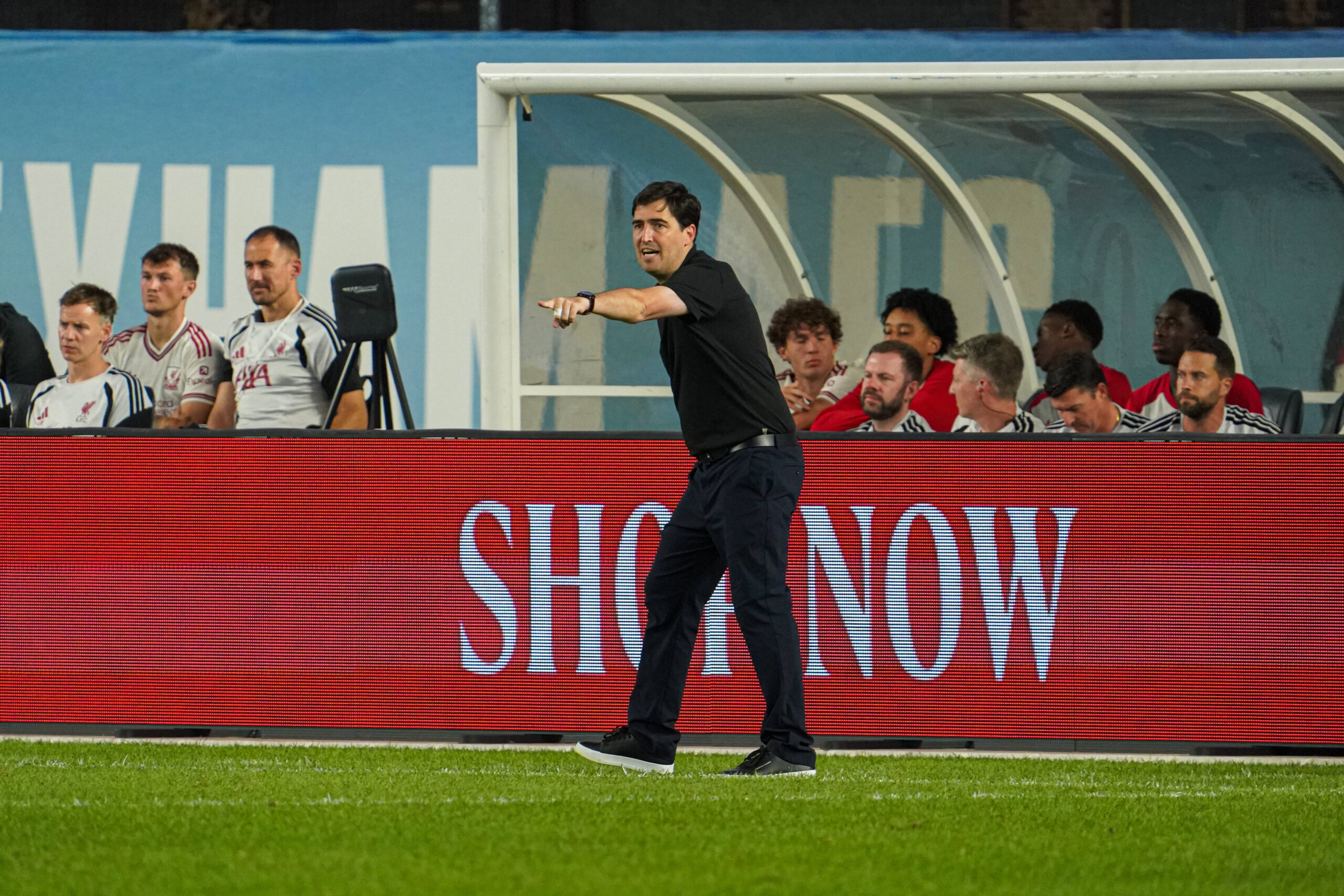
Iraola expressed optimism about the younger players stepping up, stating, “A lot of players have surprised me, especially the young players I did not know before.” This sentiment points to the club's ongoing effort to cultivate fresh talent from its youth academy. Historically, clubs with strong youth programs—like Liverpool—rely on the next generation to bridge gaps, especially when seasoned players aren’t available.
He indicated that while the senior squad members are known entities, it's the youth who’ve shone brightly during these early matches. Performance by young players often ignites fan enthusiasm and creates a sense of solidarity; however, it's also a risk. Young talent can be inconsistent, and relying solely on them may lead to pressure that hinders their development. Notably, he emphasized the need for team growth and the importance of reintegrating senior players post-World Cup. “Important players will return, and we must integrate new signings slowly. They understand our direction and can contribute significantly,” he affirmed. This highlights the delicate balancing act managers must perform: welcoming new talent while ensuring existing team cohesion.
Spotlight on Defensive Weaknesses
However, Iraola did not shy away from discussing Liverpool's glaring weaknesses, particularly in defense. He stated, “Right now, we’re pretty thin in the centre-back position.” This admission underscores a looming issue; without robust defensive options, the team runs the risk of vulnerability against stronger opponents. The absence of stalwart Virgil van Dijk exacerbates the situation, leaving promising but inexperienced players like Mor Talla Ndiaye and Ife Ndukwe, both just 18, to shoulder critical responsibilities. Youngsters may have the talent, but they often lack the essential experience to navigate high-stakes situations effectively.
Iraola noted the adaptability shown by other players, such as Luke Chambers, who performed commendably in an unfamiliar centre-back role. It’s a sign of a flexible strategy, but is it sustainable? “We will continue to adapt until we recover some key players,” he remarked. His candid acknowledgment of the squad's fragility, coupled with a hopeful tone towards existing youth talent, paints a complex picture of Liverpool's current state. This isn’t just about filling positions; it’s about developing a cohesive unit that can perform under pressure.
As the pre-season unfolds, mentors and management will undoubtedly need to address these inadequacies swiftly. A single win over Wrexham does little to mask the fundamental truths: more reinforcements are essential, not only in defense but potentially in the attacking line as well. This isn’t the type of situation that tends to fix itself. The clock is ticking, and the stakes will only get higher as the competitive season approaches.
Implications and Future Outlook
The implications of Iraola's comments and the team's current status extend well beyond this pre-season match. If you're working in this space, you already know that a club's ability to adapt to unforeseen challenges shapes its trajectory significantly. For Liverpool, the question now is what steps management will take to navigate these gaps in the squad. Investing in younger players is one approach, just as adjusting tactics could be another. But when will youth stop being an excuse for inconsistency?
It’s critical for the management to recognize that without addressing these issues, the sense of optimism generated by young talent may quickly turn into disappointment. The potential acquisition of high-profile players could stabilize the squad, but that brings financial implications. Every decision taken now is a statement of intent for the season ahead—and, perhaps even for the long-term vision of the club.
What this means for you, as a follower of Liverpool’s journey, is clear: anticipate some critical moves in the transfer market. The club's performance this season may hinge on those decisions, sending ripples through the fanbase and affecting morale. If Iraola’s candid assessment serves as anything, it’s a wake-up call for both players and management alike. The next few weeks are not just about preparation; they're a litmus test for Liverpool's season and aspirations.