Liverpool Firm on Valuation as Curtis Jones Attracts €35m Bid from Inter Milan
Liverpool remains steadfast in its valuation of Curtis Jones as Inter Milan re-enters the transfer conversation with a €35m bid, approximately £30.4m. While this latest offer represents an increase from previous attempts, it still falls short of Liverpool's expectations, which hover around €40m (around £34.7m), as reported by James Horncastle in The Athletic. This discrepancy highlights a common phenomenon in player negotiations, where buyer and seller often find themselves worlds apart in valuation, especially for homegrown talents.
This ongoing negotiation echoes a series of efforts by Inter, including a loan proposal and two earlier bids of £17.3m and £21.7m that were both dismissed. The gap in valuation remains a point of contention as Liverpool shows no signs of shifting its stance despite the Italian club's persistent interest. The financial landscape of modern football plays a pivotal role in this tug-of-war; clubs must balance short-term gains from lucrative offers against long-term strategic planning, particularly with players who have potential for growth.
Inter Milan's Pursuit Remains Active
Inter’s sporting director, Piero Ausilio, has publicly acknowledged the "significant gap" between the two clubs, a sentiment that reflects the realities of the negotiation process. Liverpool’s position is informed by not just Jones’ current contract, which runs until 2027, but also by the player's established Premier League credentials, local ties, and his strategic importance to the squad under the new coaching regime. Jones’s youth and experience make him an appealing prospect; he’s proven himself on some of the biggest stages in English football.
While no formal talks regarding a contract extension are underway, there’s an understanding that Liverpool could explore this avenue if terms can be aligned with the player's expectations. As of now, there seems to be no common ground. The negotiation dynamic emphasizes the importance of player retention in a highly competitive market—keeping talents like Jones not only solidifies performance on the pitch but also establishes a narrative around club loyalty and identity. This is especially significant for clubs like Liverpool, known for their rich history and connection with local players.
Andoni Iraola's Thoughts on Curtis Jones
Head coach Andoni Iraola has expressed his appreciation for Jones in various public statements, highlighting the midfielder's local roots and character. “I rate Curtis very highly. For me, he is a great, great player, and I hope he can continue with us,” Iraola stated, emphasizing Jones’ significance not only as a talented player but also as a Scouser who embodies the club’s identity. This kind of endorsement from the head coach often signals confidence in a player's future, which adds another layer of complexity to the negotiations.
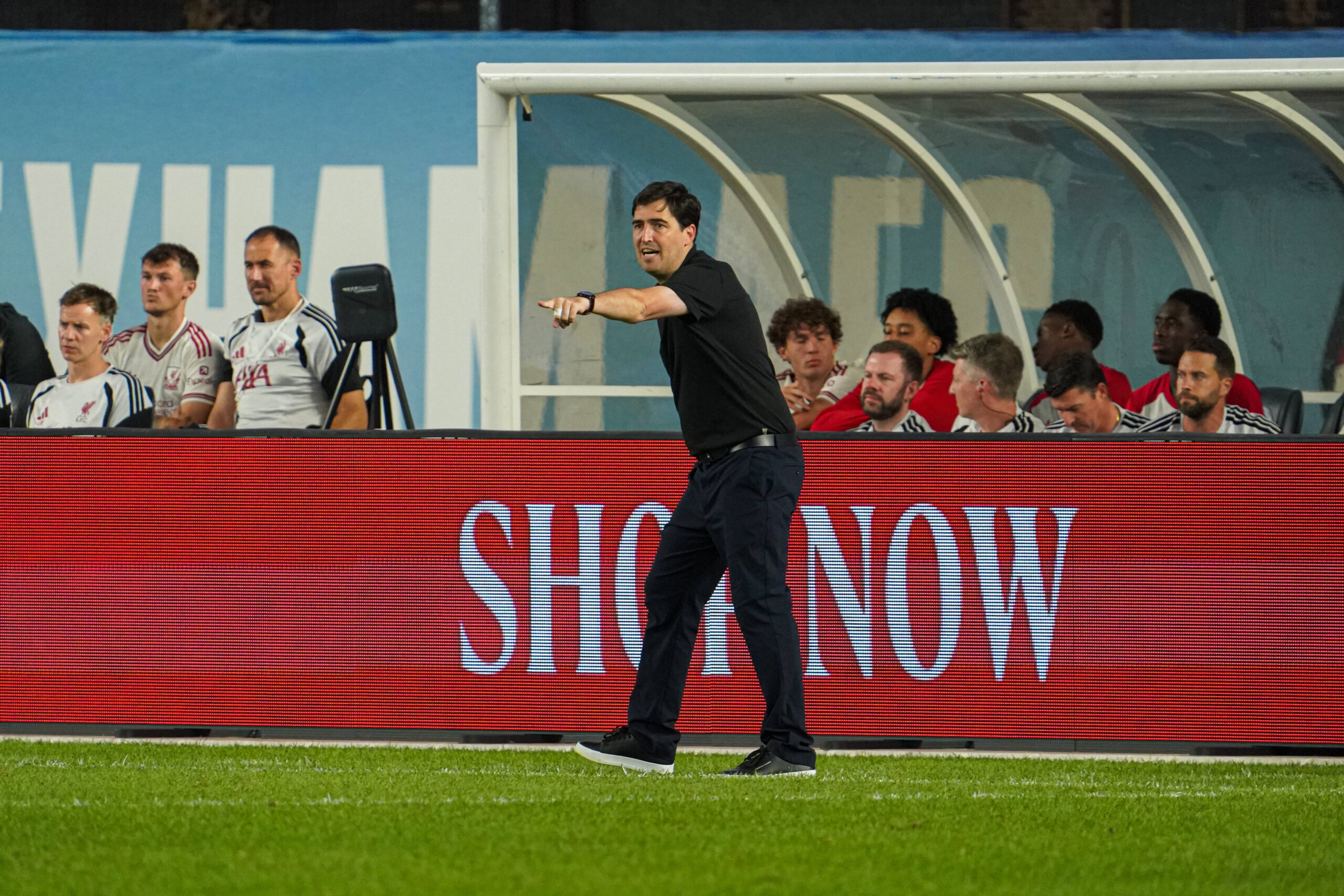
Internally, Jones’ versatility and loyalty have earned him respect, further complicating Liverpool's decision-making process regarding any potential sale. These elements are often overlooked in transfer discussions. Liverpool is not just considering finances but also the cultural and emotional implications tied to the sale of a local player. With the latest bid from Inter being viewed as insufficient, the club seems intent on holding out for a fair market price. After all, the repercussions of a sale could ripple through the team's dynamics both on and off the field.
Analysis
For Liverpool fans, this scenario presents a complex dilemma. Jones is not only a highly skilled player but also a member of the community who understands the pressures of playing for the club. His presence adds intrinsic value that transcends mere financial considerations in the transfer market. Supporters are likely aware of the impact a player like Jones has on team morale and local engagement.
That said, the absence of active contract discussions raises concerns about the future. Continuing pressure from Inter could complicate matters as the transfer window progresses. Liverpool is keen to avoid the perception of being a club that can be easily negotiated with—especially when it comes to its homegrown talents. In a way, every player transfer tells a story of ambition, loyalty, and the delicate balance between business and sentiment.
Iraola's support of Jones may provide some reassurance to fans, yet the lingering uncertainty around the midfielder’s long-term future in Liverpool's plans is a situation to monitor closely. A firm commitment to valuing Jones at a higher price point may be the right move, but if doubts cast shadows on his long-term role, the club may face a tough choice as negotiations evolve. Inter's persistent interest could lead to a tactical impasse that forces Liverpool’s hand sooner than anticipated.
Future Outlook and Implications
What this means for you, if you're working in this space or just following the football scene, is that the outcome of these negotiations could set a precedent for how teams handle player valuations in similar circumstances. The valuations and money being tossed around in the transfer market often reflect wider economic trends and can impact how clubs strategize for their squads. The stakes are high, not just for Jones, but for Liverpool in terms of its image and its standing in a fiercely competitive league.
Liverpool's reluctance to budge could signal a new approach to nurturing talent and viewing players as not only financial assets but also cultural pillars. On the flip side, if Inter manages to adjust their bid to meet Liverpool's expectations, it could bring about a shift in how negotiations are conducted moving forward. After all, clubs that routinely overspend on underappreciated talents might find themselves either revitalized by fresh talent or weighed down by costly mistakes. In either case, this scenario reflects broader anxieties that clubs face in adapting to an increasingly financialized sport.