Jamie Carragher Evaluates Liverpool's Interest in Bradley Barcola
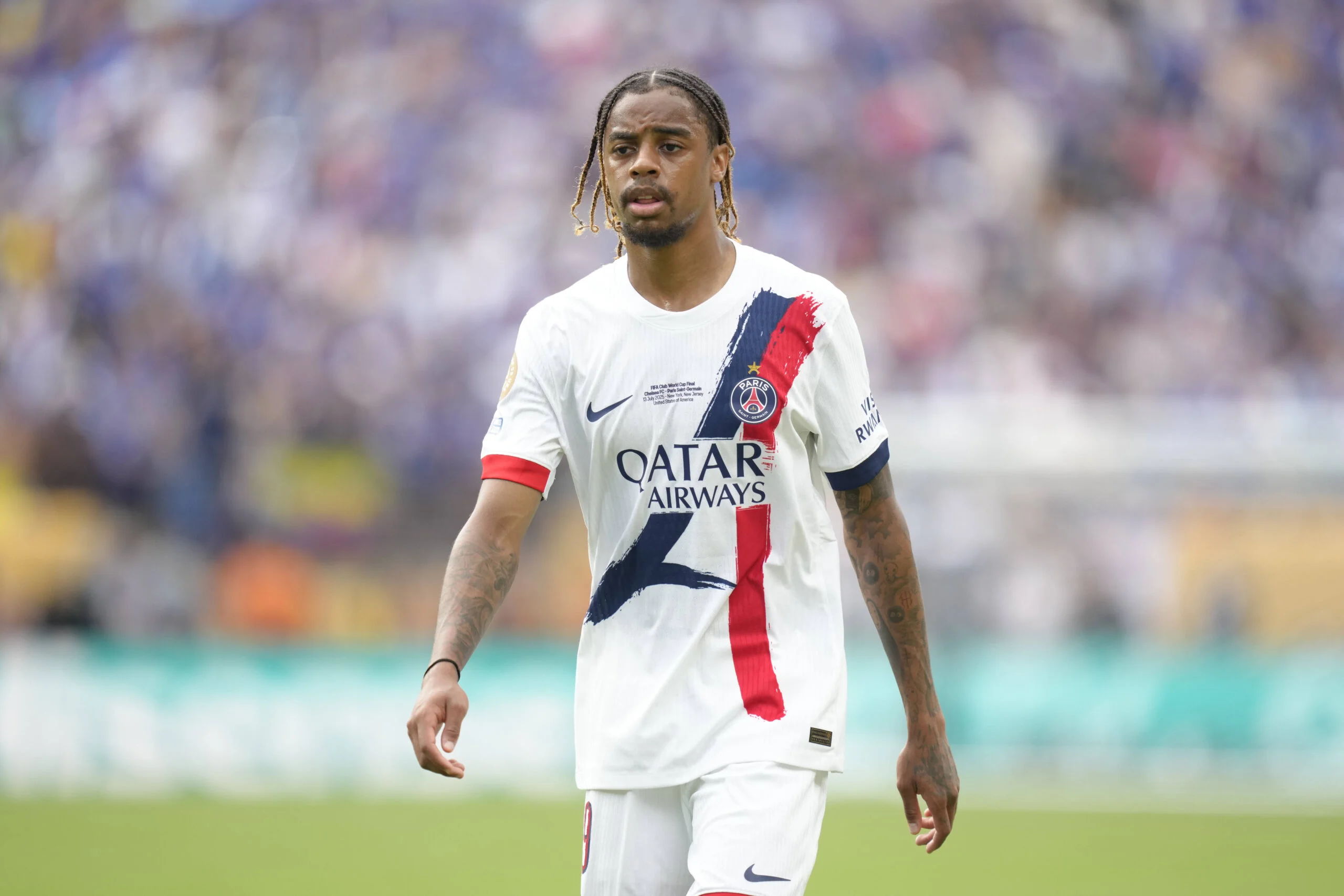
The speculation surrounding Liverpool's interest in Bradley Barcola has reignited debate, particularly regarding his potential role within the squad. Jamie Carragher has weighed in, making a compelling case that labeling Barcola as a replacement for Mohamed Salah misses the mark.
Carragher pointedly stated, “No, he plays on the opposite flank! LFC currently has three players who could play from the left in Rio/Gakpo/Wirtz & no one who plays from the right 🤷♂️,” encapsulating the crux of Liverpool’s potential dilemma. Amidst all the chatter, he's highlighting a fundamental truth: the squad's tactical balance is at stake.
A Tactical Perspective on Barcola's Role
Though Barcola has experience playing from the right, Carragher's point underscores that merely being adaptable doesn't equate to fulfilling a distinct tactical requirement. Salah brought a unique dimension to Liverpool's attack with his ability to stretch defenses and score consistently—a quality Barcola, while talented, does not replicate directly. The elegance of Salah's play lay not just in his stats, but in how his presence affected oppositions, drawing defenders and creating space for teammates.
Under manager Andoni Iraola, Liverpool's strategy appears to revolve around fluidity and positional interchange among forwards. However, balanced profiles are essential for the team's success, especially in critical match situations where instinct can take precedence over strategic planning. A lack of right-wingers means a dependency on left-side players can lead to predictability, hampering Liverpool's ability to combat well-organized defenses.
Addressing Squad Needs and Financial Implications
Carragher's observations reveal a broader issue regarding Liverpool's attacking structure. The club is already rich in players preferring left-sided roles, and adding another may disrupt tendencies instead of bolstering the squad's needs on both wings. Good recruitment isn't merely about accumulating quality players—it’s about crafting a well-balanced lineup. This is evident in the dynamics of modern football, where tactical flexibility is paramount, yet distinct specialties must be retained to ensure an effective strategy.
The financial considerations also loom large. If Liverpool plans to shell out over £100 million for Barcola, it raises pivotal questions about their ability to subsequently address other critical areas, particularly the right wing. This situation becomes more than a trivial detail; it’s foundational for squad cohesion and tactical effectiveness going forward. Strategic investments are paramount in a league as competitive as the Premier League, where every signing must contribute to the team's overall ambitions.
The Importance of Elite Quality in Attack
While the nuances of squad balance and tactical fit are vital, they don’t necessarily negate the potential benefits of signing Barcola. Liverpool needs elite talent, and he undoubtedly falls into that category. If the club believes he can make an immediate impact and elevate their game, pursuing him makes sense. The question of impact isn't limited to immediate results; it's also about long-term team evolution and the kind of legacy players can build in a club like Liverpool.
However, the conversation surrounding Barcola's transfer must be framed accurately. He shouldn't be viewed strictly as a Salah replacement; instead, he could enhance Liverpool’s attack with added pace and quality, albeit without solving the deficiency on the right side of the formation. This is where the understanding of functional roles in offense becomes critical. The right-sided gap is not just a hole waiting to be filled; it's an essential tactical element that needs a specialized player who can perform consistently at the highest level.
In essence, bringing in Bradley Barcola could certainly inject quality into the team, but it shouldn’t distract from the essential need for a natural right winger. Both scenarios can coexist, reflecting the complexity of modern football team dynamics. What’s often overlooked, (and this is the part most people overlook) is that failing to fill specific needs can undermine the entire tactical vision, especially in high-stakes environments like the Premier League.
The insights from Carragher add depth to the discussion, allowing fans and analysts alike to critically assess Barcola's fit at Liverpool, beyond mere headlines proclaiming him as the next Salah. This broader perspective is not just beneficial for analysis; it’s essential for understanding how Liverpool might navigate their transfer strategy in a challenging market, where each decision could reverberate across multiple seasons.
Future Outlook: What Lies Ahead for Liverpool?
As Liverpool contemplates its approach to the transfer market, the implications of potentially signing Bradley Barcola extend far beyond just the player himself. It touches on themes of identity and strategy in a league where every club is constantly adapting and evolving. The dynamic of replacing a key player like Salah isn’t simply about finding someone who can score goals; it’s about understanding how that player fits within the broader tactical fabric of the team.
If you're working in this space, consider the ramifications of a potentially unfilled right wing. Liverpool could find itself at a tactical disadvantage if they fail to secure the right profile for that position. The choices they make now will ultimately dictate the team's competitiveness in both domestic and European competitions. In the high-stakes environment of football, where even small oversights can lead to significant setbacks, the need for precision becomes more critical than ever.