A narrow win after a volatile contest
Leipzig had the shot count, 14 to Manchester City’s 13, but City had the result. A 3-2 win at the Red Bull Arena came after RB twice hauled themselves level, only for Erling Haaland to settle a frantic UEFA Champions League match in the 78th minute. The numbers flatter Leipzig’s control a little: they created danger, but City found the decisive moments. That distinction matters in a game where the home side often looked capable of scoring, yet couldn’t turn its pressure into a lead.
The shot total alone doesn’t tell you which team managed the most consequential parts of the match. Leipzig had the volume, while City made their chances count at key points—first by taking the lead before half-time, then by finding a winner after Leipzig’s second equalizer. This is more significant than it looks: a side can compete for long stretches and still lose if it repeatedly gives its opponent room to respond.
RB Leipzig 2-3 Manchester City
Goals: Castello Lukeba own goal, 37'; Ridle Baku, 49' (Brajan Gruda assist); Nico Fernández, 58' (Iliman Ndiaye assist); Antonio Nusa, 61' (Christopher Nkunku assist); Erling Haaland, 78' (Nathan Anderson assist).
The scoreline captures the match’s sharp changes in momentum. Leipzig’s two goals brought them back into contention, but each time City regained the lead, the visitors made the home side chase again. The list of scorers and assists also reflects how much the game depended on individual actions in open play, rather than one team steadily imposing itself.
Christoph Baumgartner made his first start since returning from injury. Ridle Baku also came into Leipzig’s lineup, replacing Benjamin Henrichs, while Rocco Reitz was left out. Haaland captained City; former Leipzig defender Joško Gvardiol, who represented the club from 2020 to 2023, began among the substitutes. Those changes gave the match an added personal angle, with Gvardiol facing his former club from the visitors’ bench and Baumgartner returning directly to the starting side.
City’s lead came against the flow
City saw more of the ball early on, yet Leipzig looked likelier to turn possession into a goal. Antonio Nusa tested Gianluigi Donnarumma, and David Raum had an attempt blocked. Then the visitors went ahead in the 37th minute: Nico O'Reilly sent a low cross into the area, and Castello Lukeba diverted it into his own net.
That was a harsh way for Leipzig’s promising spell to end. City took a 1-0 advantage into half-time without having looked the more dangerous side. The goal came from pressure in the area, but an own goal can also make a team’s earlier work feel suddenly wasted: Leipzig had forced City to defend, then went into the break behind.
For City, the lead offered a more comfortable platform than their early play had suggested. For Leipzig, it raised the cost of every chance after the restart. They’d need to turn their promising attacks into goals while remaining alert to the counterattack that can follow when a team pushes forward.

Leipzig answered, then answered again
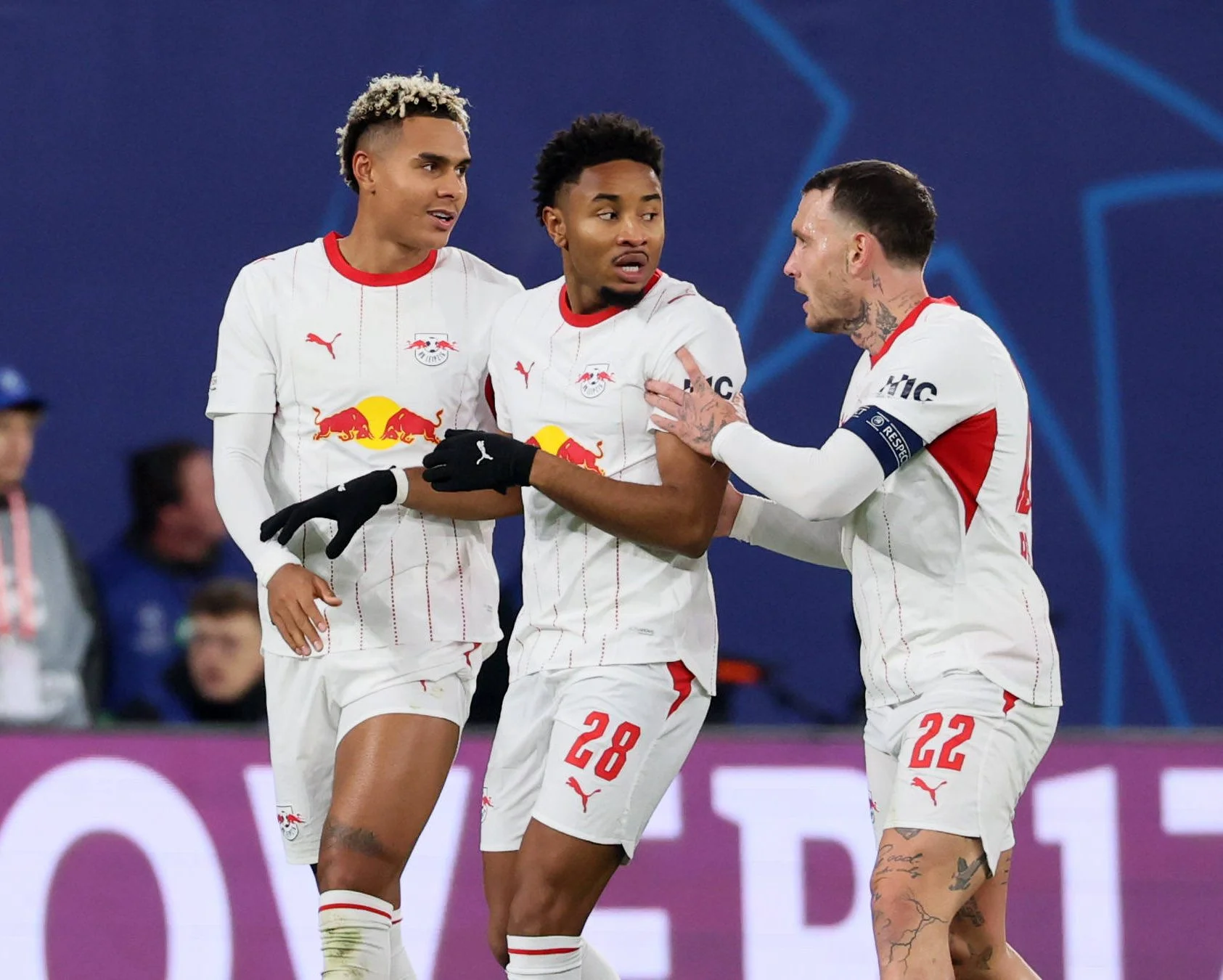
The home side came out with urgency after the break. Baumgartner drew another save from Donnarumma, and five minutes into the half Baku equalised, finishing from a tight angle on the right after Brajan Gruda’s assist. The goal rewarded Leipzig’s immediate push, and it changed the pressure on City: a narrow lead had become a level contest, with the home crowd given reason to believe the match was there to be won.
City restored their lead through Nico Fernández in the 58th minute, with Iliman Ndiaye setting him up. Leipzig’s reply took just three minutes: Nusa made it 2-2 from Christopher Nkunku’s pass. The match had become a test of who could make the next decisive move—and Haaland supplied it, assisted by Nathan Anderson, to give City the win.
That quick exchange left little time for either side to settle into a plan after conceding. City had shown they could strike back, but Leipzig’s response showed the visitors hadn’t closed the game down. Here's the thing: when goals arrive in rapid succession, composure becomes a tactical advantage in its own right. A brief lapse can decide whether a team controls the next phase or has to defend another wave of attacks.
Leipzig briefly restored parity after Enzo Fernández met Iliman Ndiaye’s cross with a header from ten yards in the 58th minute. The tie lasted only three minutes. Substitute Christopher Nkunku created the opening, and Nusa finished low into the corner to make it 2-2 in the 61st. The speed of Leipzig’s second response kept the match unsettled and ensured City couldn’t simply protect their advantage.
Haaland settles an open finish
The decisive moment came in the 78th minute, when Haaland slid onto Anderson’s ball across the box and put City back ahead. The late stretch stayed lively: Raum’s free-kick hit the crossbar, and Rayan Cherki struck the woodwork for City. Both teams had made changes as the match opened up, but Leipzig couldn’t find another equalizer; Gruda’s late finish was disallowed for offside.
City’s winner didn’t end the contest’s uncertainty. The crossbar, the woodwork and the disallowed finish all came in a closing spell when the result remained vulnerable to one more intervention. Leipzig kept finding ways to threaten, but threat alone wasn’t enough. City survived the pressure and held onto the lead they’d worked to recover.
That makes three defeats in four league-phase matches for Leipzig. The scoreline suggests a close contest, and it was, but City’s ability to answer quickly after the equalizer—and then produce the winner—proved decisive. The result leaves Leipzig with a clear problem to address in this phase: they can create opportunities, yet they’re not consistently converting competitive performances into points.
What the result says about both sides
For City, the win offers evidence of resilience, though the match also exposed how much work was required to secure it. They took the lead, lost it twice, and needed Haaland’s late finish to separate the teams. That’s a valuable result in a match where control was uneven, but it won’t erase the stretches when Leipzig looked more dangerous.
For Leipzig, the two equalizers are a genuine positive, especially after conceding just before half-time. Yet the final score makes the limits of that response plain: each comeback restored parity without giving the home side a lasting foothold. Similar matches often turn on whether a team can follow an equalizer with a calmer spell, and Leipzig couldn’t prevent City from creating the next decisive moment.
If you're working in this space, the detail to watch is how Leipzig’s attacking intent translates into control late in games. They had shots, found two goals and kept pushing after falling behind. But when both teams are trading chances, the ability to manage the minutes after scoring can matter as much as the attack itself. A useful lesson, even in defeat.