The injury and the operation
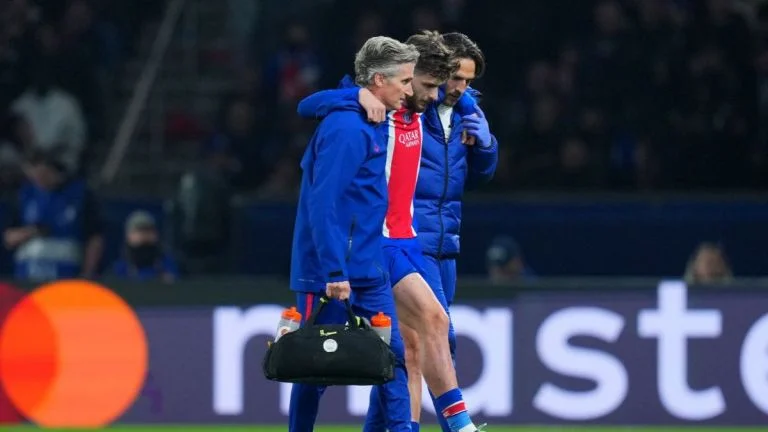
Khvicha Kvaratskhelia’s season is likely over after the Paris Saint-Germain winger underwent successful surgery to repair a ruptured ACL. PSG announced the operation following the injury he suffered against Barcelona a week earlier, turning a high-profile match into a setback with consequences that will stretch well beyond the final whistle.
An ACL rupture is a serious injury for any footballer, particularly one whose work depends on quick changes of direction, acceleration and close control. The operation is an important step, but it doesn’t mark the end of the problem: the demanding work comes next, as Kvaratskhelia rebuilds strength and mobility under medical supervision. His season is likely finished, though the exact course of recovery remains uncertain.
Kvaratskhelia shared a distressed message on Instagram after the injury, offering a glimpse of its immediate emotional impact. Surgery had to wait for the swelling to subside; now the recovery begins with rest, followed by rehabilitation and physiotherapy. That sequence can sound straightforward, but each stage depends on how the knee responds and how safely he can progress.
A long route back to the pitch
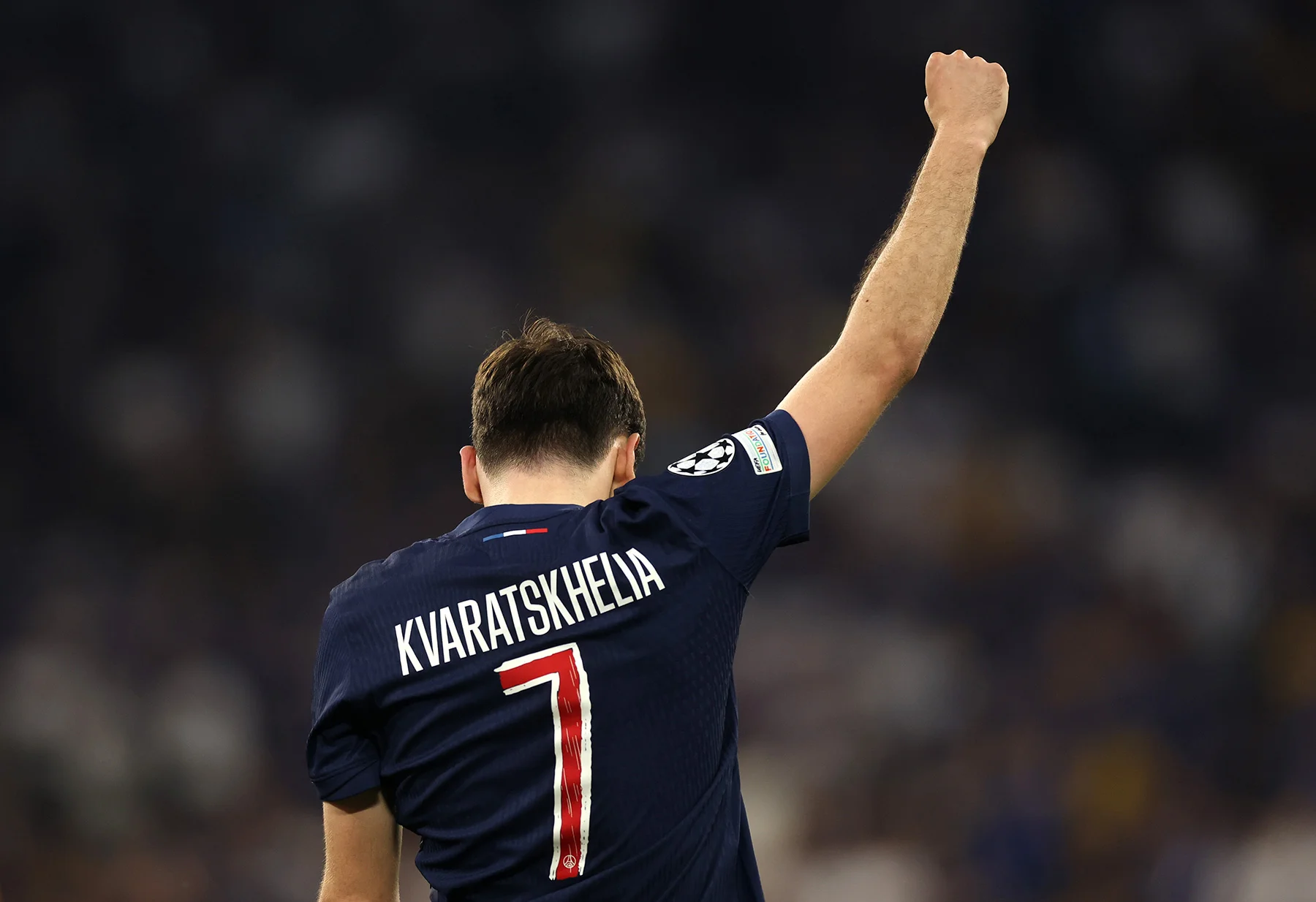
RMC Sport estimates a recovery period of six to 10 months. That range leaves the timing uncertain: rehabilitation after this kind of injury is measured in stages, and a player’s return to full competition can depend on progress throughout the process. A return this season appears unlikely. There’s little appeal in rushing a player back before he’s ready, especially when the injury affects the stability and movement that football demands.
PSG’s immediate task is twofold: support Kvaratskhelia through recovery and find ways to cover his absence in the current campaign. Those are related challenges, but they operate on different timelines. The club needs options for upcoming matches now, while the player’s rehabilitation will unfold over months.
This is more significant than it looks. Kvaratskhelia has climbed to the top level after starting out with little profile, and that resilience offers reason to expect a strong return. But determination can’t set a medical timetable. The work ahead will be gradual, and progress will matter more than any public estimate of a comeback date.
For now, teammates will have the chance to take on a larger role and make their case. If you're following PSG’s season, that shift is worth watching: replacing a winger’s contribution is a collective problem, involving selection and how the team adjusts in possession and attack. The response won’t be measured by one player alone. Different demands, different roles.
What the absence means for PSG
Manager Luis Enrique has rejected the suggestion that injuries will derail PSG’s pursuit of trophies this season. He has also said the club won’t sign a player in January to replace Kvaratskhelia. That puts the focus on the squad already available and on how the manager chooses to distribute minutes and responsibilities.
Here's the thing: a decision against signing a replacement doesn’t make the loss smaller; it makes the existing options more consequential. PSG will need to adapt within the group, while avoiding the temptation to treat a short-term gap as a reason to hurry Kvaratskhelia’s return. The balance between competing now and protecting a key player’s longer-term fitness is the central issue.
The wider context
The PSG–Barcelona match last week set television records for a Champions League game at this stage. That audience underscores the attention around the fixture, but the injury shifts the story from spectacle to its sporting aftermath. For Kvaratskhelia, the immediate horizon is rehabilitation; for PSG, it’s a test of squad depth and tactical flexibility.
(and this is the part most people overlook) Recovery estimates are guides, not guarantees. The six-to-10-month range gives a sense of scale, but it can’t settle when Kvaratskhelia will be ready to compete again. That said, the clearest priority is the next phase of treatment and a careful return to training when his recovery allows it.