Three injuries in one match could force a team to rethink its plans. Luis Enrique says PSG won’t let the setbacks change its expectations: after losing players against Barcelona, he still wants his side performing at the highest level. That message is straightforward, though the practical challenge is harder. A team can aim to preserve its style when players are unavailable, but maintaining the same standard depends on who can take their places and how quickly the squad adjusts.
If you enjoy PSG Talk coverage and want to see more of it, add us as a preferred source on Google to make us a favourite and see more of our content.
PSG’s injury concerns grew during the midweek match, when three first-team players were forced off. Speaking at his press conference, Enrique said the team had already shown it could maintain its style despite absences. His argument is about continuity: injuries may change the available personnel, but they needn’t change the team’s basic approach. That distinction matters. A coach can ask a squad to keep pressing, building attacks, or defending in familiar patterns, even when the players carrying them out have changed.
Enrique sees injuries as part of competing at the top
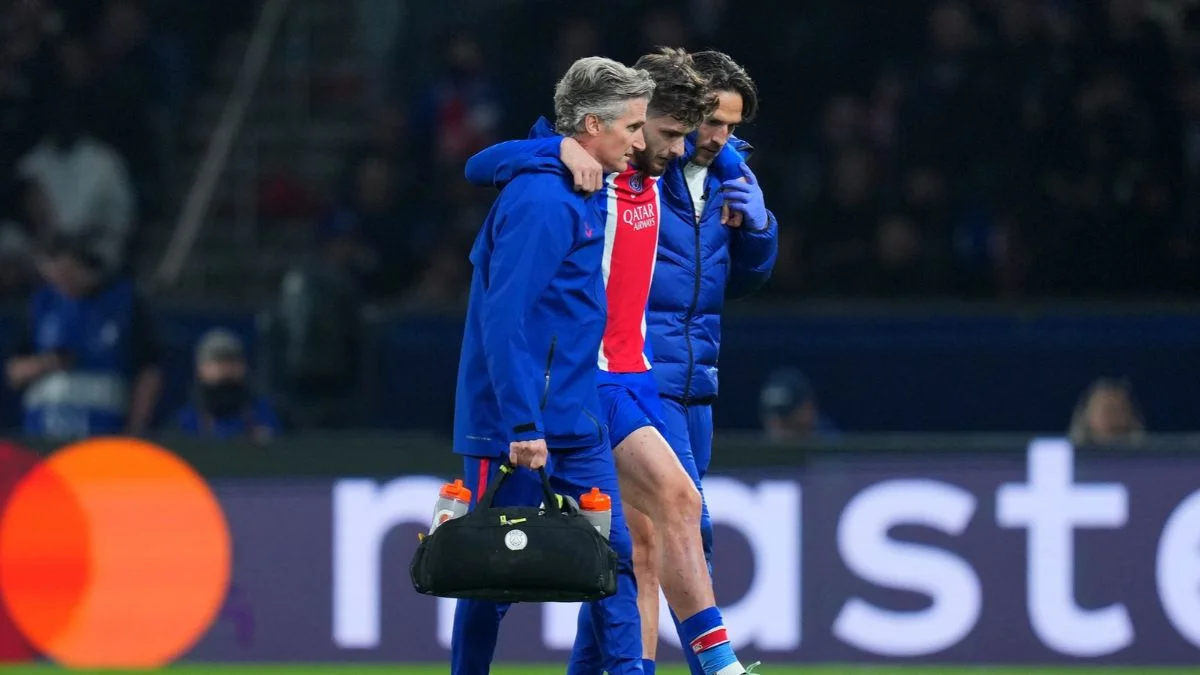
“No, we’re not going to let up. We’re a family. There are 2-3 injured players, but that’s competition and the top level. You have to accept things. We’re the same team with and without the injuries,” Enrique said.
Calling the squad a family is a familiar way to describe togetherness, but the more concrete claim is that PSG can remain the same team despite missing players. That is a demanding standard. Similar teams typically rely on shared habits and clear roles to absorb absences; even then, replacements may alter the balance of a match. The test will be whether PSG’s performance supports Enrique’s confidence when those changes have to be made repeatedly.
He pointed to the Barcelona match as evidence. PSG played almost the entire game without Dembélé, then finished without Marquinhos and Kvara, yet, he said, “we play the same way. That’s our strength.” The example gives his argument some substance: Enrique is tying his claim to a match in which several players were unavailable by the end. It doesn’t, by itself, establish that the same level can be maintained across different opponents or over a longer run of games.
This is more significant than it looks. A coach’s insistence on continuity can reassure players that the squad has depth and that one injury won’t dictate its plans. It can also set a demanding expectation for those stepping in. If you’re working in this space, the distinction to watch is between preserving a recognizable style and reproducing the same results. The first is a tactical aim; the second depends on execution, fitness, and the options available.
Enrique described three injuries in one game as unusual, but said they would serve as motivation. “It will be business as usual. I don’t want to change anything I’ve done, but I also want to change everything. That’s what you have to do to remain unpredictable. It depends on the team and the time of year,” he said. PSG, he added, are focused on improving.
That mix of stability and change is central to his message. The team’s principles are meant to hold, while the details can shift to keep opponents guessing. Here’s the thing: unpredictability only helps if the players understand what is changing and what remains fixed. Enrique’s comments leave the precise adjustments open, but frame adaptation as part of the job rather than a reaction to the injury list. A matter of execution.
What the injury response could mean for PSG
Enrique’s public stance is clear: PSG won’t lower its expectations because players have been forced off. That may help keep attention on performance rather than excuses, but it also puts the emphasis on squad depth and preparation. Injuries are part of competing at the top, as he says; the harder question is how consistently a team can absorb them without losing its edge.
For now, the Barcelona match is the example Enrique has chosen to make that case. Its value lies in showing that PSG continued to play in its preferred manner through a difficult game. It doesn’t settle what the team’s options will be in the next match, or how the injuries will affect selection. That said, his comments suggest the coaching staff intends to treat availability as a changing condition and keep working on the team’s performance.
In other news…
Enrique has denied PSG plan to sign a player in January to make up for the loss of Khvicha Kvarastkhelia. That denial makes the question of how PSG covers absences more immediate, though the article provides no further detail about the club’s options.
The PSG-Barcelona game earlier this week broke TV records for a Champions League game in this phase. The attention around the match adds context to Enrique’s remarks: this was a high-profile test, and he is presenting PSG’s response to its injuries as part of the team’s identity.
The post “Business as usual” – PSG coach refuses to give his players an excuse after triple blow appeared first on PSG Talk.