Dro Fernández’s rapid arrival in Paris Saint-Germain’s rotation has reportedly unsettled some of the club’s other young players, prompting questions inside the squad about how Luis Enrique is distributing opportunities. The issue isn’t simply how often the teenager has played. It’s whether teammates believe the path to the first team is consistent, and whether a newcomer has moved ahead of players who’ve been waiting for their own chances.
If you enjoy PSG Talk coverage and want to see more of it, add us as a preferred source on Google to make us a favourite and see more of our content.
Fernández joined PSG from Barcelona in January and started in midfield against Strasbourg on Saturday, when Enrique rested several regulars ahead of a major meeting with his former club. According to L’Equipe, that start drew attention because it was another prominent opportunity for the teenager.
Rotation is a normal part of managing a squad across a demanding schedule, particularly when a coach wants to rest established players. But selection decisions also communicate something to those waiting behind them. A start in a competitive match can look like a sign of trust, even when it’s partly explained by changes elsewhere in the lineup.
Young players question the pecking order
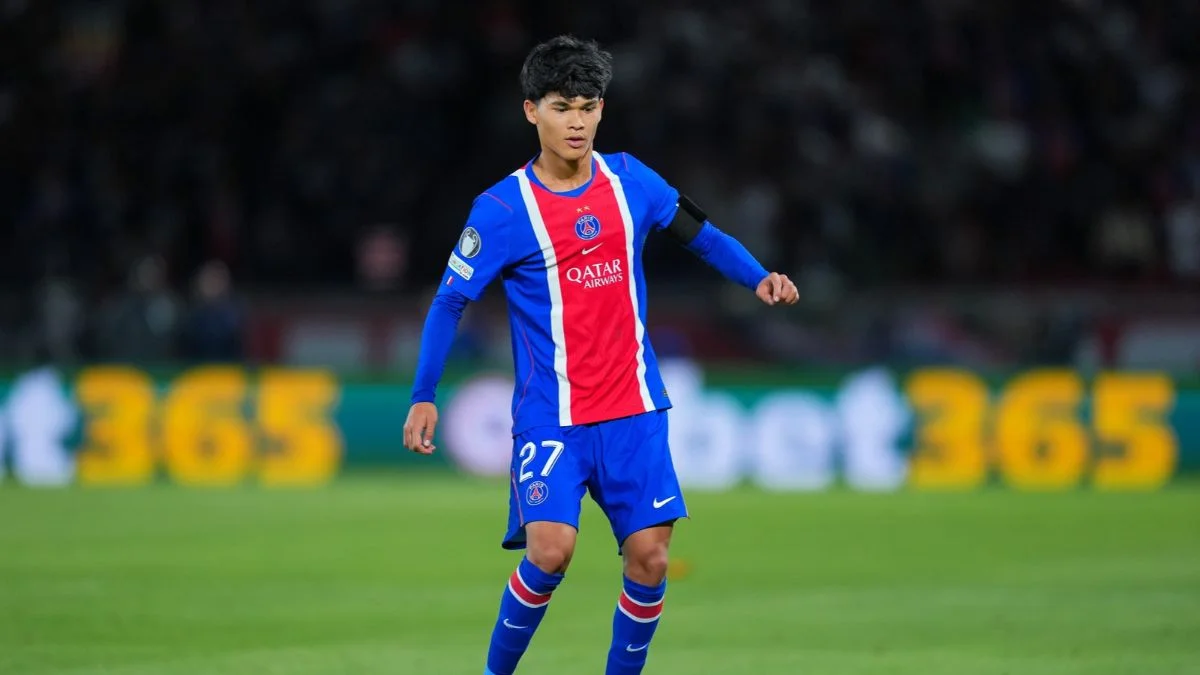
Several PSG youngsters reportedly feel Fernández has received preferential treatment. He’s started two of his seven Ligue 1 appearances and has come on as a substitute in five others. Those appearances give the discussion a concrete basis, but they don’t by themselves explain Enrique’s reasoning or establish that the club has applied different standards.
The report names Senny Mayulu and Quentin Ndjantou as players who believe the newcomer has moved ahead of them. That perception matters in a squad where young players are competing for limited minutes: even a small number of opportunities can shape expectations about who the coach trusts and what a player must do to earn a place.
The report also raises questions about whether Fernández’s agent has unusual influence at the club. It doesn’t establish that claim as fact, and the distinction matters. An allegation about influence can become an easy explanation for a selection decision, but the available information here doesn’t show that an agent affected Enrique’s choices.
Enrique has a reputation for making his own selection decisions, which makes the reported frustration notable. The minutes are limited, but the perception of how Fernández earned them may matter as much as the count. A coach can see a tactical fit or a useful quality in one player; teammates may see only that one of their peers is being selected ahead of them.
Strasbourg win comes at a cost
Nuno Mendes will miss the next game and several weeks after suffering a muscle injury against Strasbourg. The absence adds a practical consequence to a match that was already notable for Enrique’s changes. It also narrows the immediate focus from rotation alone to how PSG handles the squad after losing a regular for a period of weeks.
PSG scored three late goals to secure an important away win, though Mendes’ injury was a costly downside. The late turnaround shows how close the match came to becoming a different story; a victory doesn’t erase the risk involved in a heavily changed lineup, or the consequences of an injury during that game.
Enrique made sweeping changes, and the gamble nearly went wrong. PSG left with the points and rested several key starters—while the debate over opportunities for young players continues. A result can validate a rotation in the short term, but it doesn’t settle questions about how roles are assigned across the squad.
What the dispute could mean for PSG
This is more significant than it looks. For a club relying on both established starters and emerging players, confidence in the selection process can affect how young squad members respond when they aren’t picked. If you're working in this space, the central question is whether players see a clear route to minutes—or whether each selection appears to depend on circumstances they can’t understand.
That said, the reported frustration doesn’t tell us whether Fernández has actually been favoured unfairly. The available account gives a snapshot of appearances and names players said to be dissatisfied; it doesn’t provide a full comparison of training, tactical roles, fitness, or conversations between the coach and squad. (And this is the part most people overlook.) A visible selection decision is only one part of how a coach evaluates a young player.
Here's the thing: Enrique’s next choices will carry meaning beyond the immediate lineup. Continued chances for Fernández could reinforce the impression that he’s ahead in the pecking order, while opportunities for Mayulu or Ndjantou could show that competition remains open. Or the selections may simply follow the needs of each match.
For now, PSG have a win, a new injury concern and a reported disagreement among some of their younger players. A match result can be settled in ninety minutes. Trust within a squad takes longer. And the question remains.
The post “Internal tension” at PSG over perceived unfair treatment of young talent appeared first on PSG Talk.