Paris Saint-Germain is setting its sights on yet another promising talent from Brazil, aiming to secure the services of Luis Pacheco.
PSG's Ongoing Pursuit of Talent
Paris Saint-Germain has been known for its aggressive strategies in acquiring top talent, and the pursuit of Luis Pacheco is just one chapter in this narrative. The squad is already bolstered by significant summer acquisitions, which reflect a deliberate approach by sporting director Luis Campos. Campos has been instrumental in reshaping PSG’s roster, moving beyond just high-profile stars to invest in younger, emerging talents. For PSG, nurturing young players isn't merely about filling out their roster; it's about creating a sustainable model that can compete both domestically and in Europe. This new philosophy aligns with the club's desire to become a powerhouse through homegrown and young talent, making the interest in Pacheco not just a fleeting whim but part of a larger strategic plan.
However, expectations are high for Pacheco. At just 18, he hails from Palmeiras, a club steeped in tradition for developing successful players. This Brazilian club has provided Europe with several big names over the years, including talents like Estevao Willian and Endrick. The conveyor belt of talent from this club means that any new player coming out of their academy carries significant attention and anticipation.
Understanding the Competition
PSG isn’t the only club with eyes on Pacheco. Shakhtar Donetsk has also entered the fray, highlighting the growing interest in Brazilian talents across Europe. This interest is indicative of a broader trend: clubs have shifted their scouting focus to South America, where young players often come at lower prices compared to established European stars. Yet, while the quest for Pacheco is only beginning for PSG, the club faces an uphill battle against not just Shakhtar, but also the loyalty and ambitions of Palmeiras themselves.
While interest from PSG and Shakhtar is certainly flattering for Pacheco, it also complicates matters for the player. The interest isn’t just about financial gain; it's about finding the right fit for his future. Should he make a move too soon, he could miss out on vital development opportunities that clubs like Palmeiras can provide.
Pacheco’s Contractual Landscape
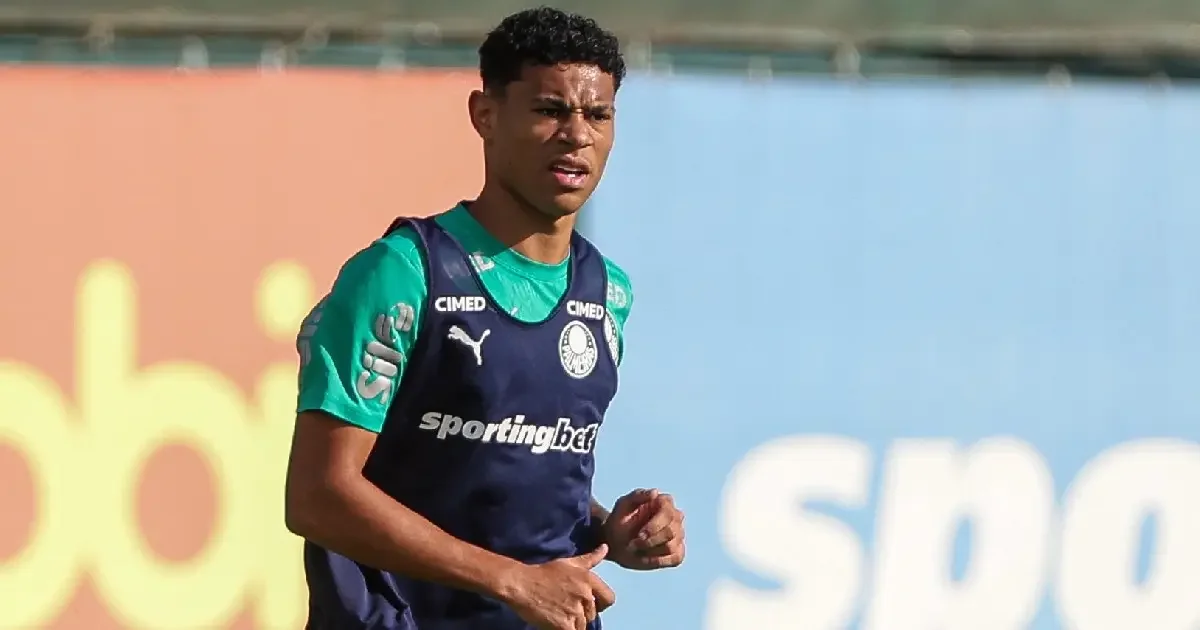
Pacheco’s current contract, which extends until 2029, is a significant barrier for PSG. His hefty release clause of €100 million signals Palmeiras' intent to retain their talent until they feel he’s reached a level of marketability that justifies his departure. Clubs like PSG often rely on strategic negotiations to minimize upfront costs, but in this case, they face both a steep buyout and the necessity to convince Palmeiras to part with one of their prized assets.
This contract complicates things for PSG, as the club must not only demonstrate interest financially, but also establish a clear development pathway for Pacheco to integrate into their first team. For Palmeiras, holding onto a player of Pacheco’s caliber could yield greater benefits if they can cultivate his skills further. Should he develop into one of the league's top talents, his market value could skyrocket, making Palmeiras increasingly reluctant to consider any offers.
And yet, the situation isn't purely transactional. Clubs that successfully manage to integrate young talents into their first team generally see long-term benefits. If PSG can effectively showcase a pathway for Pacheco, it may tip the balance in their favor. Otherwise, they could be left searching for alternatives.
Additional Notes from PSG’s Strategy
While pursuing Pacheco, PSG is also actively making strategic moves elsewhere. Recently, the club secured a “first refusal” deal with Braga for midfielder Mario Dorgeles. This kind of tactical maneuvering reflects an awareness of a competitive transfer environment, where players are sought after quickly, and clubs are keen to hold onto promising prospects. This deal not only indicates PSG's proactive strategy but also suggests they're not solely focused on high-profile stars, but are equally invested in developing their squad depth.
In a broader context, PSG's plans seem to hinge on a mix of careful financial management and astute scouting. They’re not just looking to pile on talent; they want to build a cohesive team through strategic acquisitions. Along those lines, there's also the development of existing players like Mika Godts, who has expressed a desire to reach the level of teammate Desire Doue. Such aspirations speak to PSG’s culture of growth and ambition.
However, the injury to Ferran Torres, who recently left his national team camp, raises a note of caution among fans and management alike regarding squad depth and injury management. This juxtaposition of securing new talent while also addressing immediate squad needs can create pressure that PSG must navigate carefully in the months ahead.
Implications and Future Outlook
The pursuit of Luis Pacheco and similar talents reflects a pivotal moment for PSG. It raises questions about how clubs adapt their strategies in the face of intense competition and economic pressures. If PSG fails to secure Pacheco, the implications could ripple throughout their strategy: they may have to shift focus or potentially recalibrate their goals for the season.
The hunt for young talents isn't just a matter of signing players; it’s about developing them into mainstays and stars. The stakes are high, as clubs that miss the mark run the risk of falling behind in an increasingly competitive league. If you’re working in this space—whether as a fan, analyst, or executive—the moves PSG makes over the next year could very well define their trajectory for years to come.