Paris Saint-Germain is strategically managing their roster by allowing some key players to rest after the recent international fixtures.
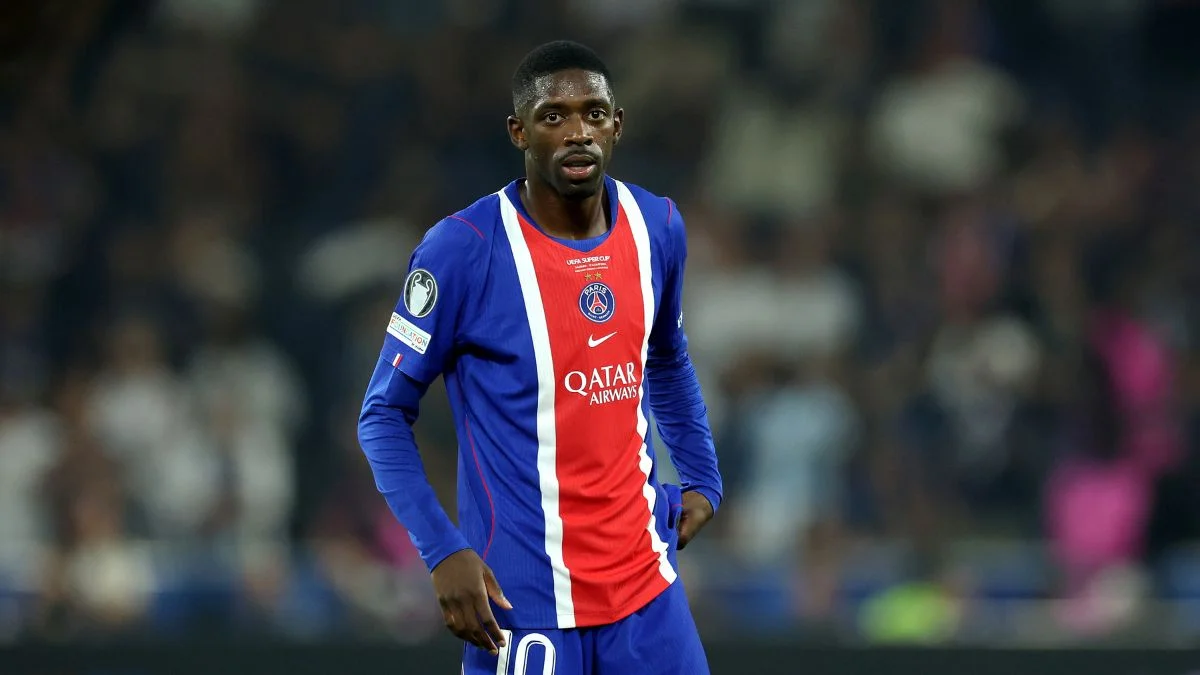
The international break has wrapped up, with European players returning to their clubs for training. PSG has opted for a different tactic this weekend by resting Nuno Mendes and Ousmane Dembele, who have recently completed demanding international duties with Portugal and France, respectively.
Both players will be absent for the match against Le Mans, a decision reflecting the club's ongoing strategy to gradually integrate their stars back into the season after a hectic summer that included a World Cup.
En accord avec l’entraîneur et la Direction sportive, Ousmane Dembélé et Nuno Mendes bénéficient d’une période de repos. Ils reprendreont respectivement l’entraînement les samedi 10 et dimanche 11 octobre.
— Paris Saint-Germain (@PSG_inside) October 8, 2026
PSG's Resting Strategy: A Calculated Decision
It's clear PSG is not just a club that spends heavily on acquiring talent; they're also focused on how to manage that talent effectively. By resting key players like Mendes and Dembele, PSG isn't merely reacting to fatigue; they're planning ahead, ensuring their top performers remain fit for critical matches later in the season, especially as they eye success in the UEFA Champions League.
This decision comes after busy international duty periods that often tax players, leaving them little time to recover before returning to the club scene. In this case, Mendes and Dembele have played crucial roles in their national teams and likely returned to PSG feeling fatigued. Resting them now could pay dividends as they look ahead to tougher fixtures in both domestic and European competitions.
PSG Capitalizes on League Dominance for Champions League Preparation
Critically, PSG's depth allows them to adopt a flexible approach to team management. Their substantial quality and strength compared to league rivals enable the club to rest top players mid-season without jeopardizing their competitive edge. They boast a roster filled with international stars, making substitutions less of a gamble and more a tactical advantage—many clubs can only dream of such depth.
This strategy has proven effective in maintaining player health and ensuring the squad is in peak condition during pivotal moments, particularly in the Champions League knockout stages. This season, PSG's trajectory puts a spotlight on their need to balance domestic commitments with their European aspirations. Other clubs face a challenging road ahead as they strive to catch up.
Implications for Future Matches
This decision to rest players could set a precedent for future matches. If you’re working in this space as a player or coach, it presents a model of squad management that other teams may not have the luxury to follow. With many clubs struggling to balance competing demands throughout the year—especially those without the same squad depth—PSG's approach will be closely watched.
That said, the efficacy of this resting policy remains to be seen. If PSG retains its dominance while managing player fatigue, it could encourage similar strategies across the league. On the flip side, should results dip during crucial moments due to untested lineups, questions around this approach could arise.
In Related Highlights…
PSG is reportedly pursuing an 18-year-old talent to bolster their future squad prospects. This move signifies their commitment to long-term success, blending youth with experience.
Additionally, they have secured a “first refusal” deal for Braga midfielder Mario Dorgeles, further showcasing their efforts to maintain a competitive edge. Acquiring young talent is critical in today’s transfer market, where established players command hefty fees and wages.
Mika Godts has expressed ambitions regarding Desire Doue and his goal to reach new heights alongside his teammate. Such aspirations often ripple through a club, inspiring younger players to elevate their performance levels. (And this is the part most people overlook.)