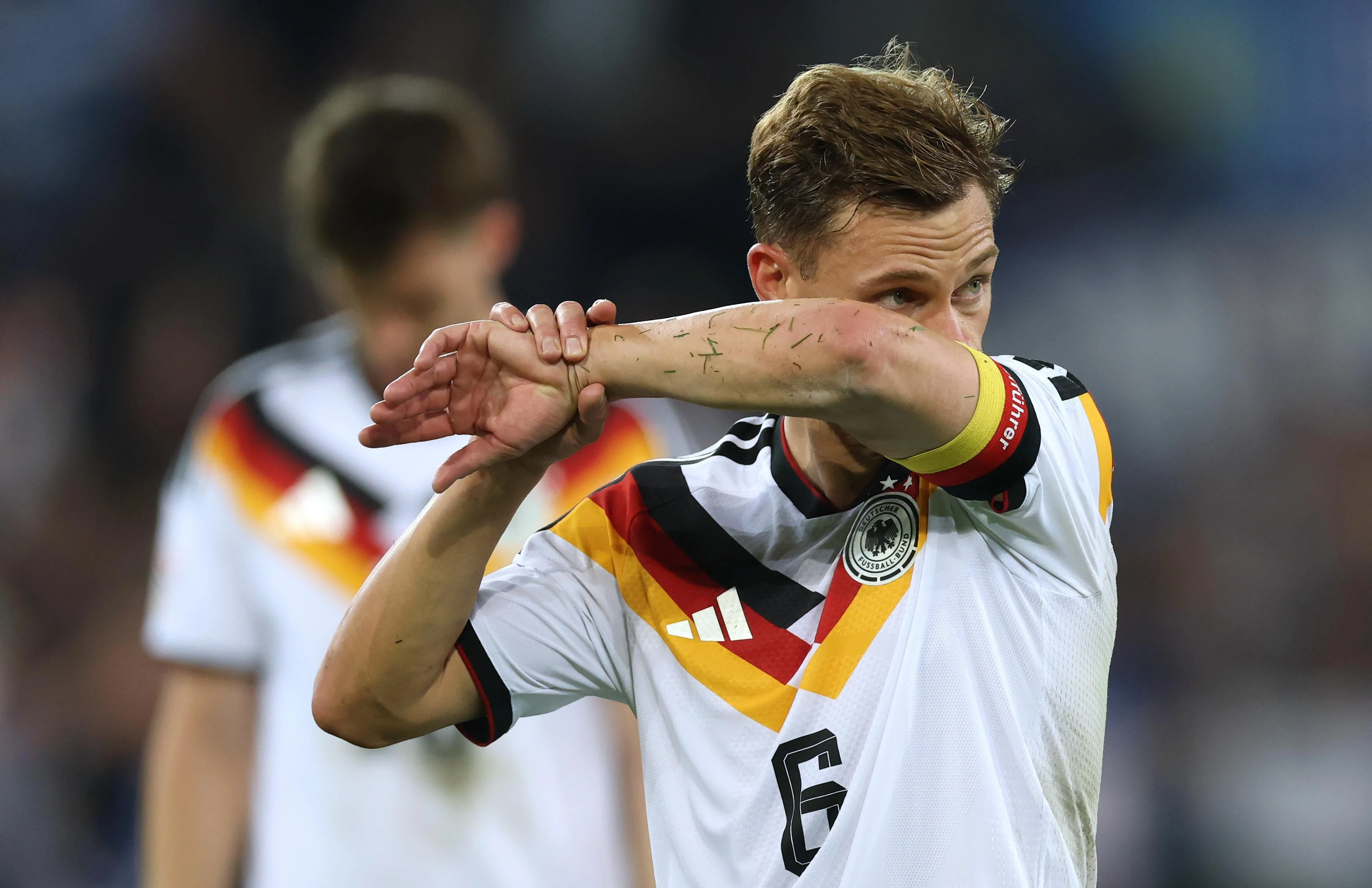
Joshua Kimmich's Disheartening World Cup Journey
Joshua Kimmich's recent experience with the German national team at the World Cup marked a painful chapter in his career. The Bayern Munich midfielder faced the disappointment of a third consecutive early exit, a situation that has weighed particularly heavily on him given his leadership role this time around. This isn't just a personal setback; for a team rich in talent and tradition, it underscores a broader issue that has plagued German football in recent years. When a country that's historically known for its footballing prowess repeatedly fails to make a mark on the world stage, the fallout can be significant—both for the players and the fans.
Facing the Pressure of Leadership
“This was the toughest elimination for me personally,” Kimmich remarked, acknowledging the need for introspection after the tournament. “It's different this time, carrying the captain's armband made it sting even more. But I’m focusing on the future and what we can achieve moving forward,” he reflected during an interview with RTL / Sky Germany, as noted by @iMiaSanMia. For Kimmich, the responsibility of captaining his team during such a troubled period is daunting. The transition from key player to team leader comes with an elevated set of expectations and the burden of accountability. Fans and analysts alike scrutinize his every move, making the role feel like a double-edged sword.
As he grapples with the disappointment, Kimmich's situation highlights a critical element of modern football: mental resilience. Many fans might think of players as simply athletes, but the psychological pressure to perform can be immense, especially when representing one's country. The expectations are sky-high, and the consequences of failure are public and often harsh.
The Weight of Expectations
His words underscore the weight of expectations he faced as a central figure on the team. Unlike previous tournaments where he was still cementing his international credentials, Kimmich now had to navigate heightened scrutiny and responsibility. This adds another layer of complexity to his role. In the past, he could rely on established veterans to share the load, but the shifting dynamics of the team mean he must often carry the burden alone. And it begs the question: does the current structure of the team support young leaders like Kimmich, or does it stifle their growth?
The recent failures also initiate an uncomfortable dialogue about the future of the German national team. If you’re working in this space, you know that every failure leads to calls for change. The voices advocating for a reevaluation of tactics, training regimes, or even the management might become louder. For Kimmich and the team, the necessity for self-reflection isn't just an option—it's a mandate as they face the pressing need for revitalization.
Channeling Energy Towards the Future
While the sting of past failures is undeniable, Kimmich is channeling his energy towards building a more positive future for the national team, aiming to reconnect with fans who have endured the same disappointment. The road ahead looks challenging, but Kimmich's determination to bring joy back to the supporters is clear. This is the part most people overlook: the connection between players and fans often shapes the morale of the entire squad. A successful national team isn't built solely on technical skill; it's about the emotional bond between the team and its supporters.
The focus now shifts to learning from these tough outcomes and striving for better results in the next major tournament. Kimmich's resolve to reshape the future demonstrates leadership qualities that go beyond footballing abilities. If he can inspire his teammates during difficult times and cultivate an atmosphere conducive to improvement, it could pave the way for much-needed advancement.
The Future of German Football
What this means for the future of German football is unpredictable yet crucial. The team must break free from previous failures while embracing a fresh perspective on training and performance. There’s often a temptation to cling to old ways, assuming that past successes guarantee future triumphs. Instead, Kimmich’s introspection and focus could encourage a younger generation of players to embrace their roles actively and assertively. This isn't just about Kimmich as an individual but about transforming a national identity tied strongly to football success.
Conclusion: Rebuilding Trust and Momentum
In the wake of these setbacks, the road to recovery for Kimmich and the German national team could become a case study in resilience and reformation. While fans might demand quick fixes, real change comes from sustained effort and commitment. It's up to Kimmich and his teammates to not just learn from failures but to foster a sense of unity and belief that can lead to success. If they can do that, they might just renew the faith of their supporters and begin to rectify the narrative of a struggling national team.
Join the conversation!
Sign up for a user account and get:
- New, improved notifications system!
- Fewer ads
- Create community posts
- Comment on articles, community posts
- Rec comments, community posts