Paris Saint-Germain is stepping up its engagement with SC Braga, securing a strategic "right of first refusal" deal for a rising talent.
According to reports from Portuguese outlet A Bola, PSG has finalized an agreement with Braga to acquire the first refusal option on midfielder Mario Dorgeles for €3.3 million. This arrangement grants PSG priority in acquiring the 22-year-old, allowing them to match any incoming offers from other clubs.
Strengthening Club Relations
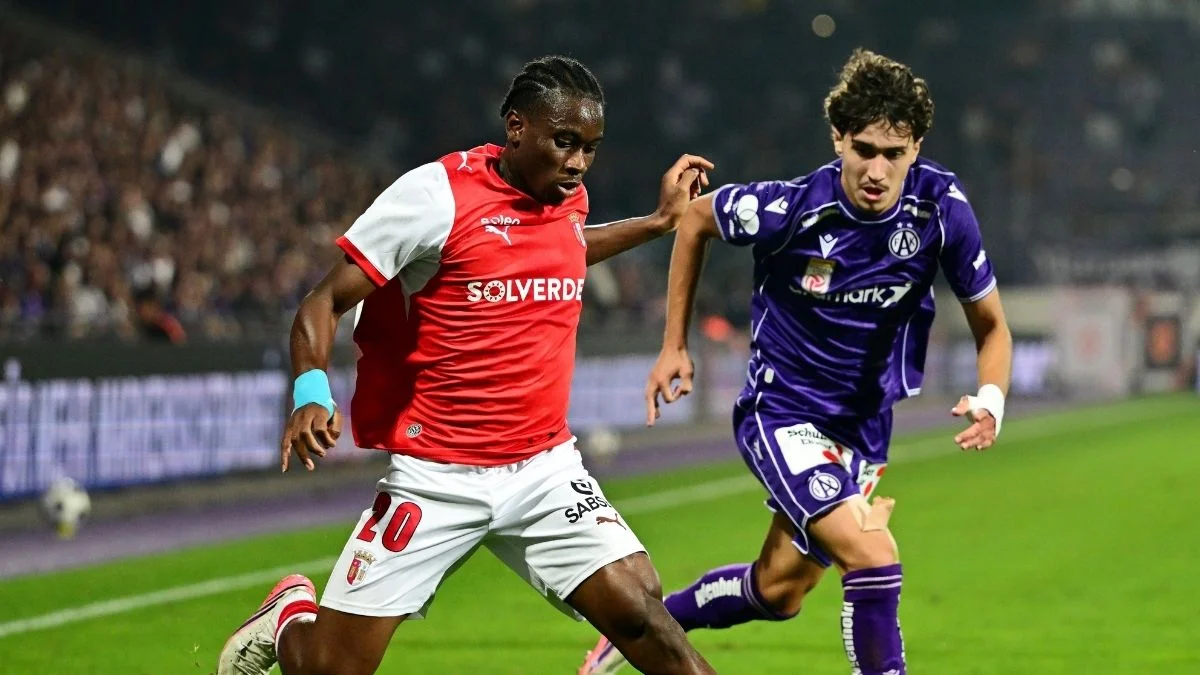
Mario Dorgeles, who transitioned to Braga from Danish side Nordsjaelland in 2025, has quickly established himself as a vital player, contributing significantly as Braga advanced to the semi-finals of the Europa League. This season alone, he’s featured in eight matches, showcasing his potential as an impactful box-to-box midfielder. His ability to influence games from both the defensive and offensive ends is noteworthy, particularly in high-pressure situations.
Braga, traditionally known for developing homegrown talent, has shown a commitment to nurturing players like Dorgeles, which highlights the importance of this recent agreement with PSG. The relationship between the two clubs isn’t completely new; Qatar Sports Investments (QSI), PSG's owners, hold a 33% stake in Braga. This unique connection establishes an avenue for collaboration that could benefit both parties. However, outside of a handful of loan agreements, this collaboration hasn’t seen significant action until now.
This deal could suggest a shift in strategy for PSG as they look to cultivate talent within their network, rather than solely relying on high-profile signings from established leagues. If this strategic partnership flourishes, we could see an increased flow of talent between the clubs, benefiting both PSG's squad depth and Braga's financial position.
The Significance of Player Development
If you're working in this space, you'll know that strategic talent acquisition is more than just securing players; it's about developing them too. Dorgeles is at a pivotal stage in his career, and moving to PSG, where competition is fierce, could either launch him into stardom or stifle his growth. The pressure for young talents like him can be immense, which does raise questions about whether PSG have the right environment for nurturing players who come from smaller leagues.
Braga has a solid track record of developing talent and providing a platform for young players to shine. This agreement could serve as a litmus test, revealing whether PSG can provide the necessary support and opportunities for Dorgeles to thrive. His role could go beyond just being a backup player — he might find himself playing a crucial part in PSG’s plans over the coming seasons, depending on his development and the tactical demands of the team.
Additional Updates
In related news, Mika Godts expressed his aspirations of reaching Desire Doue’s level, as detailed in an interview. This reinforces the competitive spirit of PSG’s younger players, each vying for recognition and playing time. Meanwhile, Ferran Torres was sent home from the Spanish national camp due to injury, and updates on his recovery are anticipated from coach Luis Enrique. Such injuries not only affect the national team's lineup but also impact club tactics and squad depth.
Furthermore, Zinedine Zidane has praised the versatility of Desire Doue within the French squad, highlighting his growing importance. This can’t be overlooked—Zidane's endorsement may boost the confidence and marketability of Doue, thus increasing his value in the transfer market. The intertwining narratives of these young talents at PSG demonstrate the club's potential to mold the next generation of football stars.
Implications for the Future
In light of this latest move, it’s clear that PSG is not just looking at immediate impact players, but also considers long-term strategies that involve potential. The ability to exercise a "right of first refusal" will allow PSG to stay ahead of competitors in acquiring emerging talent, reinforcing their position at the top of European football. Dorgeles could become a crucial piece in PSG's midfield puzzle, provided they can promote and develop him effectively.
What this means for you—if you're a fan or an analyst of the game—is that we might witness a shift in PSG's recruitment strategy. Rather than simply throwing money at already established stars, they’re beginning to invest in promising talent early, aiming to build a more sustainable model in an often volatile sport. This may not only enhance their squad depth but could also bode well for fan engagement as young talents often create a unique connection with supporters.
In the end, while this deal might seem like a minor footnote in the saga of talent acquisition, its ramifications could significantly shape the strategies of both PSG and Braga in the coming years.