Désiré Doue is making the most of Kylian Mbappe’s absence, catching the eye of new France head coach Zinedine Zidane.
Tonight, France faces Italy in a critical match as Zidane experiments with various formations that prominently feature PSG players, including Doue and Ousmane Dembele, in the attacking setup. The stakes are high for both the players and the coach, as this match is not just a friendly; it’s a valuable opportunity to test new strategies and personnel ahead of more significant competitions
The Opportunity Created by Injury
With Mbappe sidelined due to injury, opportunities arise for other players to step into the spotlight. Injuries in high-stakes competitions often cast a shadow, but they can also illuminate paths for underappreciated talents. In this particular scenario, Doue seems poised to capitalize on Mbappe’s absence, potentially securing his spot in the national team. During his recent performance against Belgium, Doue demonstrated a maturity beyond his years, making him a viable candidate for Zidane’s evolving tactics.
Managerial Insight: Zidane's Strategy
Reflecting on his decision-making process, Zidane has made it clear that he values player's versatility. He stated that allowing players like Doue to "express himself in his best position" is foundational for building a cohesive team. Zidane's approach is reminiscent of his earlier days as a manager, where he often preferred a fluid playing style that adapts to the strengths of each player. By heralding the potential of players who can fulfill multiple roles, Zidane aims to create a more dynamic and unpredictable attack.
This method has its merits. A versatile player like Doue can create mismatches against opponent defenses, allowing for more movement and flexibility. Zidane's challenge now is balancing this fluidity while maintaining the team's structural integrity during matches. He's not simply reshuffling the deck; he's trying to build something new and exciting. In this evolving phase of French football, these decisions are critical.
Performance Against Belgium
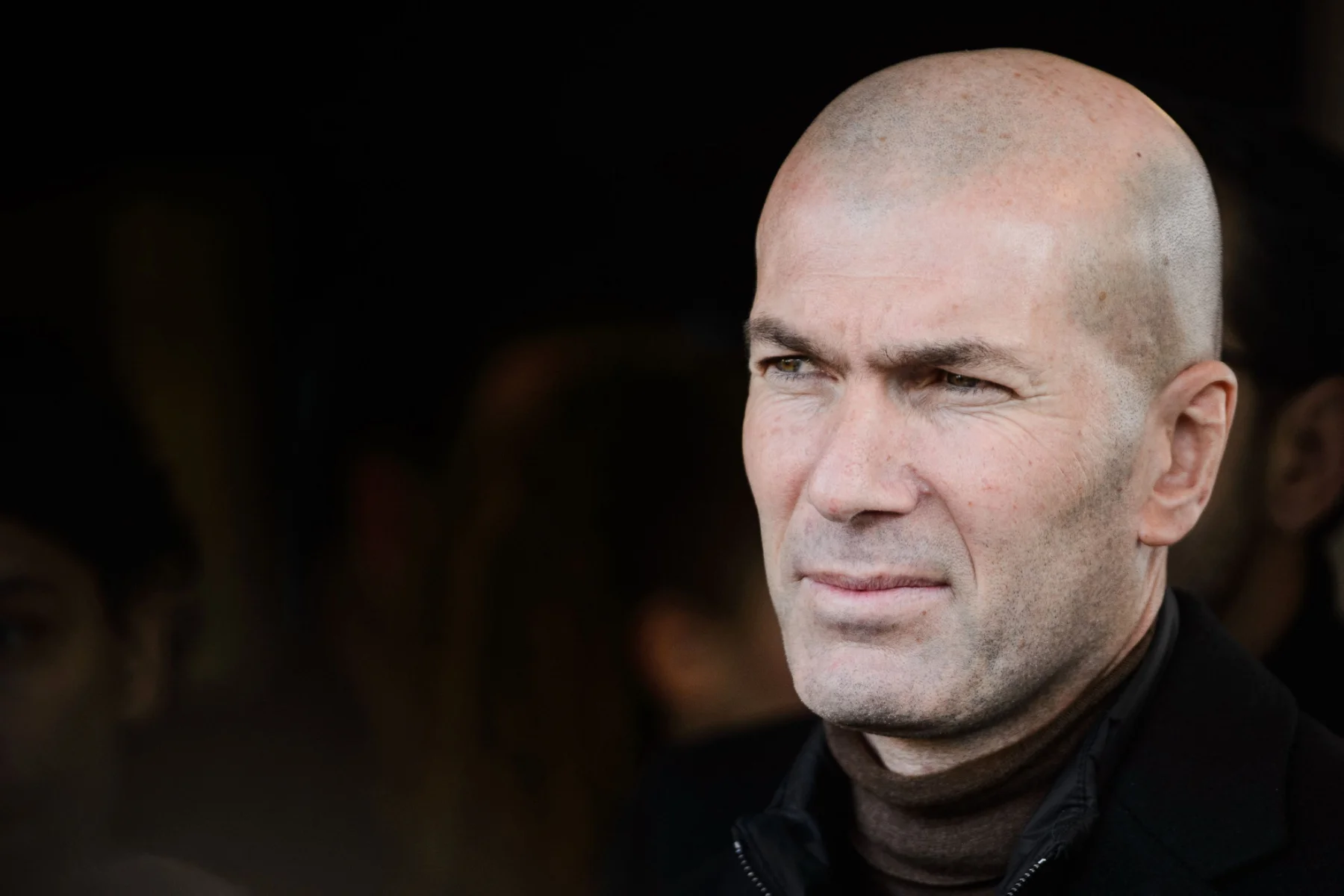
In the match against Belgium, Zidane expressed satisfaction with the team's overall performance, particularly in utilizing width on the field. He remarked, “Yes, the play out wide worked well. It wasn’t easy when we didn’t have the ball—their two full-backs were playing very high up—but everyone was good.” His acknowledgment of each player’s contribution suggests a collaborative spirit within the squad. The fact that Zidane highlighted both Doue and Jacquet indicates his interest in nurturing young talent while maintaining a competitive edge.
Zidane’s praise for Doue was significant—“Desire had a very good match.” Such comments from a figure like Zidane carry weight; they can elevate a young player's confidence and performance. Zidane isn't one to dish out compliments lightly, so this endorsement should amplify expectations for Doue’s upcoming performance against Italy. As opportunities arise, they must be seized. And for Doue, this match is a chance not just to shine, but to establish his credentials for the future.
The Pressure of Expectations
Doue now has a prime opportunity to solidify his place in the lineup. Viewers will undoubtedly keep an eye on his impact in this pivotal fixture. However, with increased exposure comes heightened scrutiny. The pressure to perform can be daunting, particularly when surrounded by established stars like Dembele. If you're working in this space, you recognize how quickly a player can go from hero to underperforming skeptic in the eyes of fans and analysts alike. This is where mental fortitude becomes just as important as skill on the pitch.
In Related News
Unfortunately, Senny Mayulu has sustained a left thigh injury while representing France’s Under-21 squad. Injury concerns like these can disrupt emerging talent and hold back development. Meanwhile, Dembele finds himself in the spotlight, particularly as he contrasts playing for the national team versus PSG. This juxtaposition raises questions about player performance under different managerial philosophies. The disparity between club and country can be glaring at times, with players sometimes thriving in one context but struggling in another.
As France transitions under Zidane’s leadership, all eyes will be on how these tactical changes could unveil new strengths in the lineup. The experimentations in this match against Italy could set the tone for future performances, especially as Euro 2024 approaches. However, these adjustments must strike a balance; too much experimentation might lead to inconsistency, risking team cohesion. And yet, holding fast to tradition when the game is evolving could also backfire, putting Zidane in a challenging position.
Implications for the Future
What this means for you, as a football enthusiast or analyst, is that the outcomes of these early matches under Zidane could have far-reaching implications. The decisions made today will forge the trajectory of the French team for major international competitions. If Doue thrives in his role, it might set a precedent for how younger players are integrated into top-level football. Zidane’s willingness to experiment might also encourage other national teams to follow suit, reshaping how emergent talents are perceived and utilized.
This moment for Doue isn’t just a chance for personal accolades; it’s a litmus test for Zidane’s managerial vision. If he can cultivate a new generation of players while still winning on the international stage, the narrative around French football could shift dramatically. This is more significant than it looks, extending far beyond one match, one player, or even one coach. It’s a defining moment where past lessons meet present strategies, shaping the future of the national team.