Paris Saint-Germain has faced a setback during this international break as one of their key players has departed from his national team obligations.
The news broke shortly after fans expressed relief over the team's injury luck so far. Unfortunately, Ferran Torres has sustained a left ankle injury while representing Spain, prompting concerns about his fitness and availability for Paris Saint-Germain in the coming matches.
The Impact of Injury on PSG and Torres’ Form
Injuries are an ever-present concern in professional football, especially during international breaks when players represent their countries. For Paris Saint-Germain (PSG), who’ve recently enjoyed a spell of good health in their squad, losing Ferran Torres is a blow. The timing couldn’t be worse, considering he’s had a stellar start to his season. With seven goals in his first six matches, his contribution has been instrumental, providing crucial offensive output that PSG relies on.
The loss of Torres may affect PSG's attacking dynamics, requiring changes in strategy or lineup. This situation raises questions about squad depth and adaptability. If you're working in this space, think about how this injury could lead to shifts not only in the starting eleven but also in how the team approaches opponents. Coaches must be ready to adjust tactics quickly when pivotal players go down, and that can create significant disruptions.
Recovery Timeline for Torres
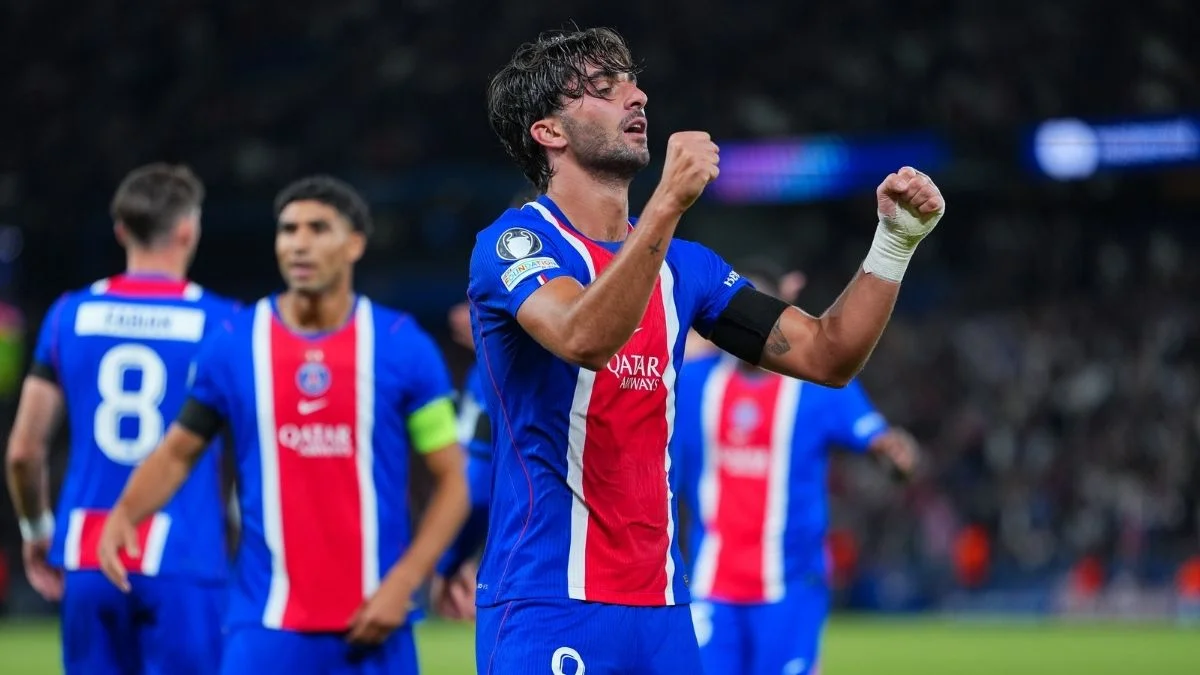
Fortunately for PSG, the early reports suggest that Torres’ injury isn’t too severe. According to official sources, a week's rest could suffice for him to recover in time to face Le Mans next Saturday. Quick recoveries like this one can often be attributed to advances in sports medicine, but they depend heavily on individual circumstances, including the player's responsiveness to treatment and their overall fitness levels prior to injury.
In professional football, teams usually adopt a cautious approach to returning players from injury. The management will likely prioritize Torres' long-term health over short-term gains. Hence, even if he recovers quickly, there’s a chance that the coaching staff will err on the side of caution and limit his minutes initially. That said, an effective return could see him reintegrated into the team progressively, allowing him to regain his form without risking re-injury.
Other International Updates
Shifting focus to the international scene, the French national team is dealing with its own share of injury woes. Zinedine Zidane has started to spotlight players such as Desire Doue, praising his versatility. However, injuries to key players like Senny Mayulu, who has a left thigh injury, continue to cloud their preparations. Such setbacks can complicate team dynamics, as coaches scramble to identify replacements and alter formations.
The absence of superstar Kylian Mbappe further exacerbates the situation for France, compelling Ousmane Dembele into a more prominent role. He has to balance the differing expectations from PSG and the national team, which may vary substantially in terms of tactical setup and personal responsibilities. This disparity can be overlooked, but it's crucial to understand how these adjustments impact player performance and confidence on the pitch.
Implications for PSG and Torres’ Future
The implications of Torres’ injury extend beyond just the immediate matches. For a club like PSG, which is aiming for both domestic success and European glory, every player needs to be at peak fitness. While currently, indications are that Torres may return soon, the unpredictability of injuries in football demands prudence. Even a minor setback can spiral into more significant issues if not managed correctly. This is more significant than it looks, particularly for Torres, who has found himself in the right form standard for an attacker at the club.
If Torres can quickly return to pre-injury performance levels, it would alleviate some concerns for PSG. The club’s upcoming matches are important for not only league standings but also morale as they’ll eventually look ahead to crucial fixtures in the Champions League. As pressure mounts from fans and club hierarchy, it turns the spotlight on how effectively the coaching staff builds resilience in the squad, particularly in navigating injuries.
Ultimately, the question remains: how will this impact PSG's long-term plans? In a league where every point counts, such disruptions can't be taken lightly. It's a delicate balance of managing players, maintaining momentum, and ensuring every athlete contributes effectively. The challenges they face now could redefine their season and potential achievements.