In a recent interview, Ousmane Dembele reflects on the similarities between his experiences playing for France and PSG.
Currently representing France, Dembele engaged in a thoughtful conversation with L’Equipe regarding how his roles with both teams intersect.
When asked about the parallels between the two squads, Dembele responded, “Yes, very much so,” emphasizing the shared freedom granted to forwards by the coaching staff. He pointed out, “There’s a philosophy that’s somewhat similar to PSG’s. We try to enjoy ourselves; the coach encourages us to play.”
Flexibility in Positioning
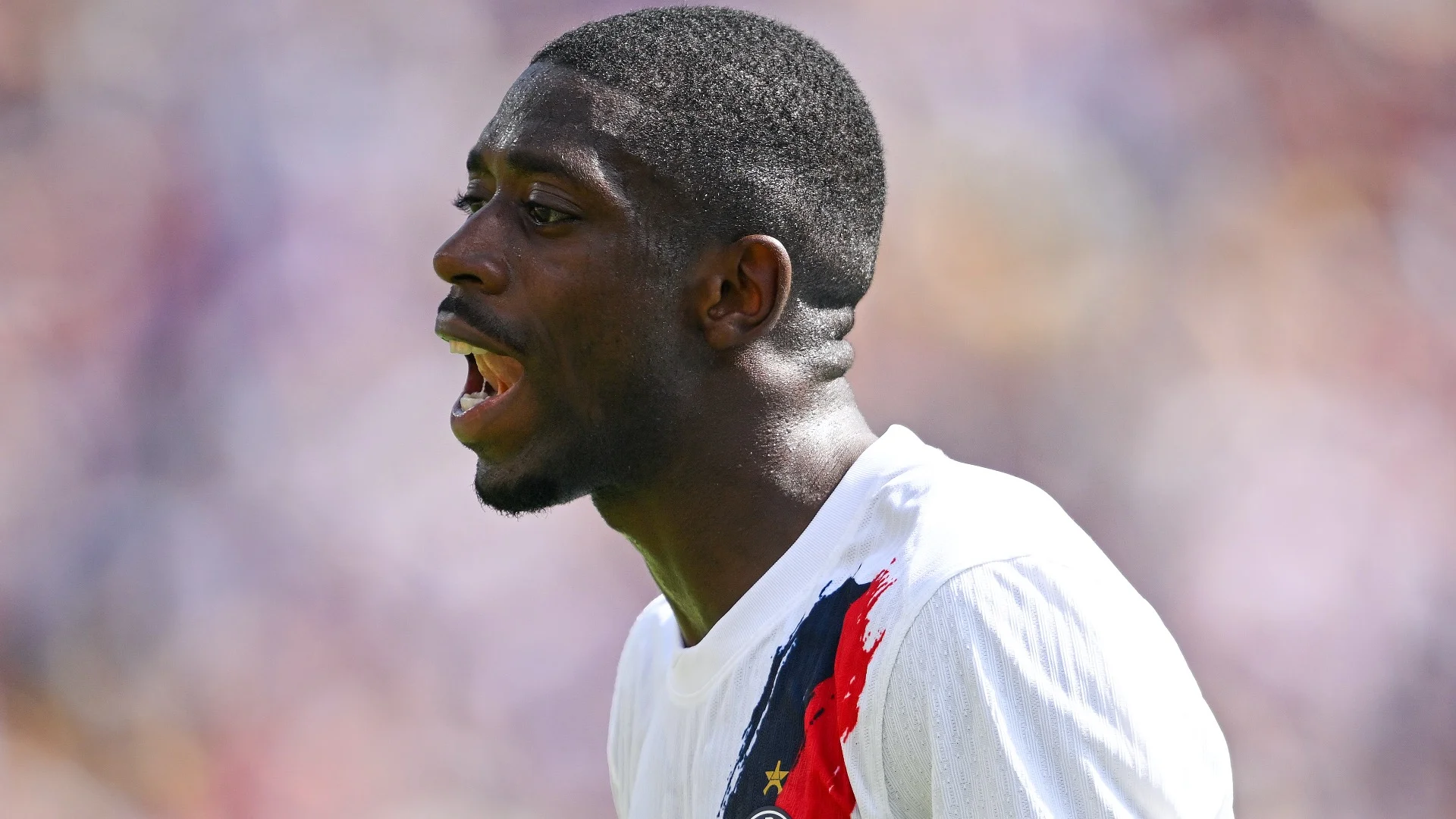
Dembele elaborated on his versatility, highlighting his capability to play in various positions. Due to Kylian Mbappe's recent injury, he's been able to assert himself in a more central role for France. He stated, “It’s a position I play all season. In these two matches, the coach gave me a lot of freedom. What I also like is dropping deep.”
This flexibility in positioning is more than just a tactical choice; it reflects the broader strategies employed by elite teams like France and PSG. Coaches are increasingly favoring players who can fluidly shift roles during a match, allowing for dynamic play and unpredictability in their game. In Dembele's case, his ability to drop deeper provides tactical options for his team, often creating openings that other forwards can exploit.
He expressed gratitude for playing alongside high-caliber teammates, noting, “Around me at PSG and with the French national team, I have a lot of quality players. I know I have to score and make passes. I’m happy in this team.” This acknowledgment highlights a vital aspect of high-performance football: teamwork and cohesion. When players recognize their interdependence, it enhances overall performance. It's not just about individual skill—it’s about how those skills mesh with others on the pitch.
Looking ahead, France is set to face Italy in their upcoming match. This clash could serve as an important test, especially for Dembele, as he may need to step up further in Mbappe's absence. The stakes are inherently high, especially given the historical intensity between these two sides, which adds another layer of pressure.
Additional Insights on PSG Dynamics
Meanwhile, Mika Godts has shared his thoughts on adapting to life at PSG, and Christopher Galtier has shared his perspective on the Ballon d’Or race, albeit indirectly. These reflections provide a glimpse into the internal dynamics of PSG, where a mix of emerging talents and established stars creates a complicated, yet exciting environment.
Godts’ experiences may resonate with newer players in high-pressure environments, as they navigate the challenges of fitting in with top-tier competition. Adapting isn't just about the physical game; it's a mental adjustment as well, needing a player to both contribute individually and respect the established hierarchy of talent. PSG has a deep roster where star power can easily intimidate, and learning to thrive within that can prove immense.
As for Galtier, his indirect commentary on the Ballon d'Or race also sheds light on the competitive nature of team sports at this level. Each player is out there vying not only for their team's success but also for personal accolades that can define careers. How a coach balances individual ambitions with the collective goals of the team can significantly influence performance on both fronts. There’s a delicate dance between fostering personal excellence and ensuring team cohesion.
The Implications of These Connections
In a broader sense, the interconnections between players' performances at the club and national levels can affect their trajectories and potential. When looking at Dembele's comments, it's clear the philosophy he's experiencing could indicate a trend unfolding in modern football—less rigid roles and more freedom for creativity. If you're working in this space, it's worthwhile to observe how these shifts impact not only game outcomes but also player satisfaction and retention.
What this means for you, especially if you are involved in sports management or analysis, is that the approach to player development may need to evolve. Coaches might need to prioritize a more fluid system to cater to versatile players and maximize their contributions. This isn’t just speculation; there's an observable shift in how teams operate, where tactical flexibility could be the difference between victory and defeat.
And yet, there's skepticism. Not all players can adapt to various roles, and it's essential to remain critical of how these strategies pan out over time. The success of this fluid approach relies heavily on the player’s temperament and the team's culture. Some players may thrive while others flounder, leading to inconsistencies.
In the coming months, as more matches unfold and players like Dembele continue to refine their roles, it will be interesting to see how these dynamics evolve. Will the fresh philosophical shift lead to tangible success for clubs and nations alike? Time will tell.