Rennes is pushing back against the decision to move their upcoming match against PSG, emphasizing the importance of home advantage.
PSG's season opener brought unexpected twists, as the Parisian club had to play away in Rennes due to significant damage inflicted on the Parc des Princes pitch by a summer heatwave. The assumption was that Rennes would return the favor in the reverse fixture, yet they are now appealing for the game to remain at home.
Rennes' Appeals for Home Fixture
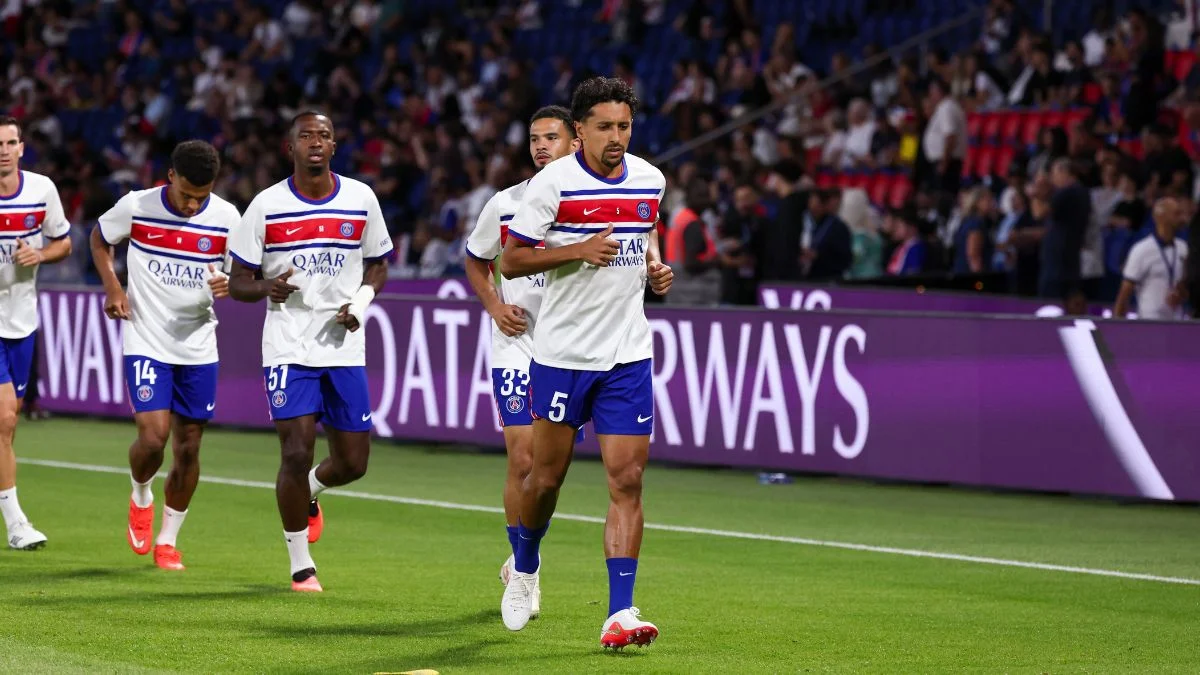
Rennes argues that they were forced to hastily organize the initial game, resulting in many season ticket holders being unavailable for such a significant match. Retaining home advantage for the return fixture is seen as vital for their fans and club morale. Additionally, the decision to relocate to PSG's venue would result in Rennes playing three consecutive away matches in the league, which they view as an unacceptable disadvantage.
They contest the classification of the heatwave damage as an “exceptional circumstance” as defined by the governing rules. Given the importance of home-field advantage in football, Rennes' pushback underscores a growing sentiment among clubs that their rights and preparations must be respected, especially when they may feel at the mercy of external conditions.
The Significance of Home Advantage
Home advantage plays a pivotal role in sports, especially in football, where the familiarity of the pitch, the support of local fans, and the distinct dynamics of the stadium can profoundly impact performance. Statistics consistently demonstrate that teams tend to perform better at home than away. This trend isn't just anecdotal; it's backed by studies showing that teams can see win rates improve by 50% or more when competing on their home turf. Rennes understands this well. A significant number of their season ticket holders are locals who rally behind the team during home matches, making the atmosphere electric and supportive.
What this means for Rennes is straightforward: playing PSG away could shift the match dynamics unfavorably. The psychological pressure placed on players within their home arena encourages peak performance. Losing that advantage mid-season—especially against a team like PSG, who are typically formidable—isn't something they want to gamble on.
The Broader Implications for Ligue 1
Rennes' appeal is reflective of broader concerns within Ligue 1 as teams negotiate with powerful institutions and unforeseen challenges, like extreme weather conditions. As Europe grapples with climate change and its side effects—including heatwaves—there's a pressing need for sports bodies to reassess what constitutes "exceptional circumstances." If every summer heatwave results in club relocations, the competitive integrity of the league is called into question.
This isn't just about one match but how leagues set precedents for future decisions. If the rules governing match relocations aren’t standardized or consistently enforced, teams may find themselves at a disadvantage based on arbitrary definitions of what's "exceptional." And yet, many fans will have a strong opinion about whether teams are appropriately utilizing their home stadiums for such high-stakes games.
In Other Developments...
While Desire Doue has been missing from PSG's recent line-ups, his status within the squad remains secure, according to team sources. Meanwhile, Achraf Hakimi’s injury raises concerns; however, reports suggest it's not serious, leaving his potential participation in the upcoming match uncertain.
PSG’s management will be closely monitoring player fitness. The loss of key players can drastically alter their championship ambitions, especially against a competitive opponent like Rennes. If they field an under-strength squad, it opens the door for surprises. The upcoming match could show us how teams adapt in the face of uncertainty, both in terms of their rosters and in navigating unexpected logistics.
The Future Outlook: Competitive Fairness and Authority Balance
Rennes' stance could mark the beginning of a proactive culture within Ligue 1. If clubs begin to exercise their rights assertively, they may provoke a much-needed dialogue surrounding competitive fairness and operational policies distinctly influenced by environmental factors. The stakes are high; leagues must safeguard all teams' interests and avoid a situation where larger clubs dictate terms, leaving smaller teams feeling vulnerable.
You might wonder: how will the league respond? If you’re working in this space, you’ll need to keep an eye on regulations, potential disputes, and how teams like Rennes navigate heavyweights like PSG. With weather issues likely to become more prevalent, Rennes' challenge may not be the last we see this season. This could evolve into a trend.
And this is the part most people overlook—the heart of football isn't just strategy or skill; it's about ensuring that every team has a fair shot at glory.