Paris Saint-Germain is setting its sights on one of the Premier League's brightest prospects following his recent decision to depart Manchester United.
The buzz around PSG intensifies as they enter the race to secure 15-year-old phenom JJ Gabriel. Last week, Gabriel made headlines by sending a letter to Manchester United, announcing his intention to leave the club when his contract expires next June.
Despite this, Manchester United remains hopeful they can persuade him to rethink over the next nine months. However, PSG's interest suggests that the young player has other options to consider.
PSG's Pursuit of Gabriel Amid Manchester United Concerns
Get French Football News highlighted PSG's readiness to act on this opportunity. It makes sense for the club to explore new talent, especially given their history of developing young stars. Yet, the question looms: with Gabriel's reasons for seeking a new environment being related to a lack of first-team opportunities at Manchester United, would his prospects be significantly improved in Paris?
This situation highlights the complexities inherent in youth development at elite clubs. Even in prestigious environments, young players often struggle to break into first teams that are saturated with established talent. PSG isn’t just another step; it's a major leap into a side that has recently housed world-class players. Talent pools are deep, and the competition is fierce. If Gabriel's decision is based solely on the chance for more playing time, moving to PSG might not fulfill that aspiration.
Here's the thing: Gabriel's choice to leave Manchester United wasn't spontaneous. He's thought carefully about his future, recognizing that playing regularly is vital for his development. Yet, it seems a bit paradoxical that PSG—with its tendency to sign high-profile players—would offer better chances for a young talent to flourish, given their crowded roster. The sheer quantity of stars can overshadow budding talents, making paths to the first team unclear.
Manchester United, meanwhile, is in a crucial phase of adjustment, especially after their high-profile managerial changes and mixed bag of recent seasons. They’re hopeful about keeping Gabriel, signaling their interest in developing homegrown talent. But these promises need to transition into tangible opportunities if the club wants to convince young stars like Gabriel that they belong there. An uphill battle for sure; can they offer a more enticing vision than what is potentially waiting for him in Paris?
Other PSG Updates
In a related note, Rennes is advocating for their upcoming match against PSG to be held at Roazhon Park and has lodged an appeal to make this happen.
This request underscores the ongoing conversations among clubs regarding venue selections and fan experiences. Home games are essential for both team spirit and identity, elevating the home advantage—especially against a dominating force like PSG. The appeal reflects more than just logistical preferences; it taps into larger questions about club identity and the atmosphere that can only be captured at home grounds.
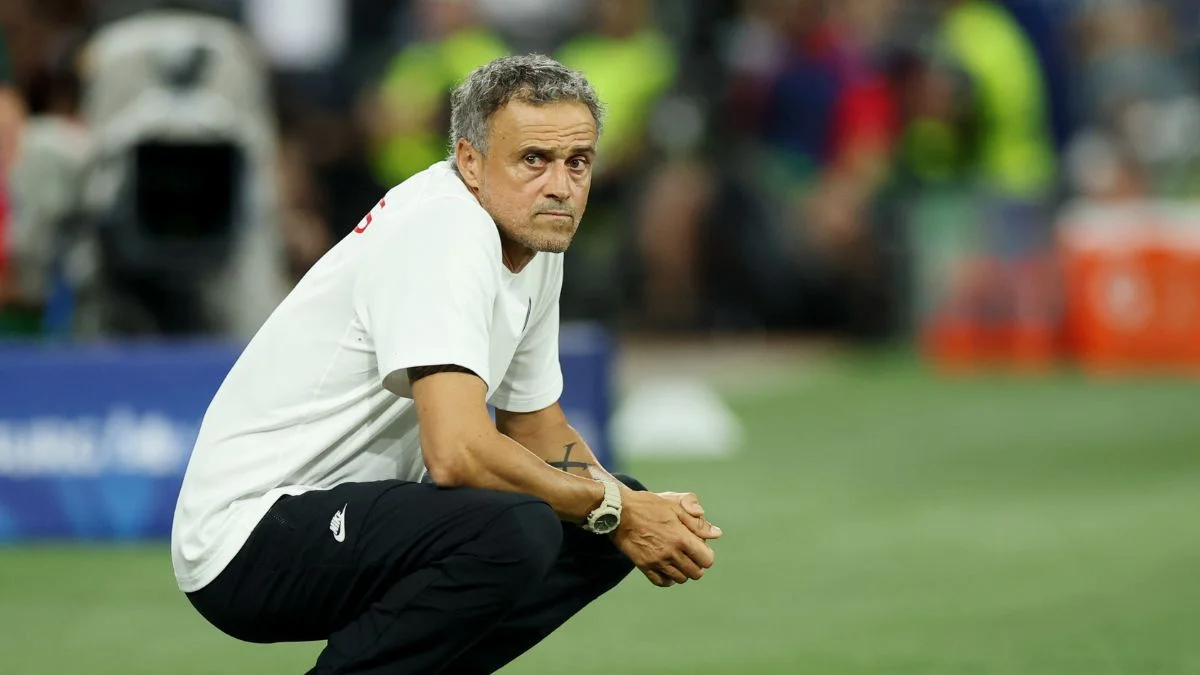
Meanwhile, Desire Doue’s recent absence from the PSG squad doesn’t seem to diminish his standing with the team, despite some alterations to the lineup. His situation raises eyebrows, though. Injuries and rotations are part of any team's journey, and Doue's performance when fit is going to play a central role in how PSG navigates its relentless schedule. Coaches like Luis Enrique must balance form with fitness, making these choices all the more critical as they juggle domestic and possibly European competitions.
The Implications of Youth Transfers
What this means for you, if you're working in this space or follow youth football closely, is that the dynamics of young player transfers are becoming increasingly complex. Clubs like PSG are not just looking for immediate talent; they’re investing in the future, feeding into a system that rewards both short-term results and long-term development. This pursuit can shift the balance of where young players decide to go—not solely for who can offer the most money, but where they see the best potential for personal growth.
JJ Gabriel, as a 15-year-old, stands at the intersection of potential and opportunity. His choices today will shape his career trajectory for years to come. The transfer tussle between Manchester United and PSG is just one example of how crucial these decisions can be, not just for the player involved, but for the clubs that build their squads around such talents. Will Gabriel land where he can truly thrive? Or will he find himself caught in a cycle of unfulfilled expectations?
And if the clubs fail to consider what these young athletes genuinely need beyond just monetary compensation, they might miss out on what could be next generation stars altogether. The eyes of the football world are certainly watching.