Paris Saint-Germain (PSG) has made headlines with an impressive total of ten players shortlisted for this year's Ballon d'Or, marking a significant representation in the prestigious award.
September brings the anticipation of the Ballon d'Or season, and the 2026 Men's nominees have been unveiled. PSG stands out prominently in the lineup, with ten members making the cut: Ousmane Dembélé, Khvicha Kvaratskhelia, Ferran Torres, Vitinha, Fabian Ruiz, João Neves, Nuno Mendes, Achraf Hakimi, Willian Pacho, and Marquinhos are all contenders. Notably, nine of these players were part of last year's shortlist, which recognized their contributions as PSG clinched another Champions League title.
Strong Contenders from PSG
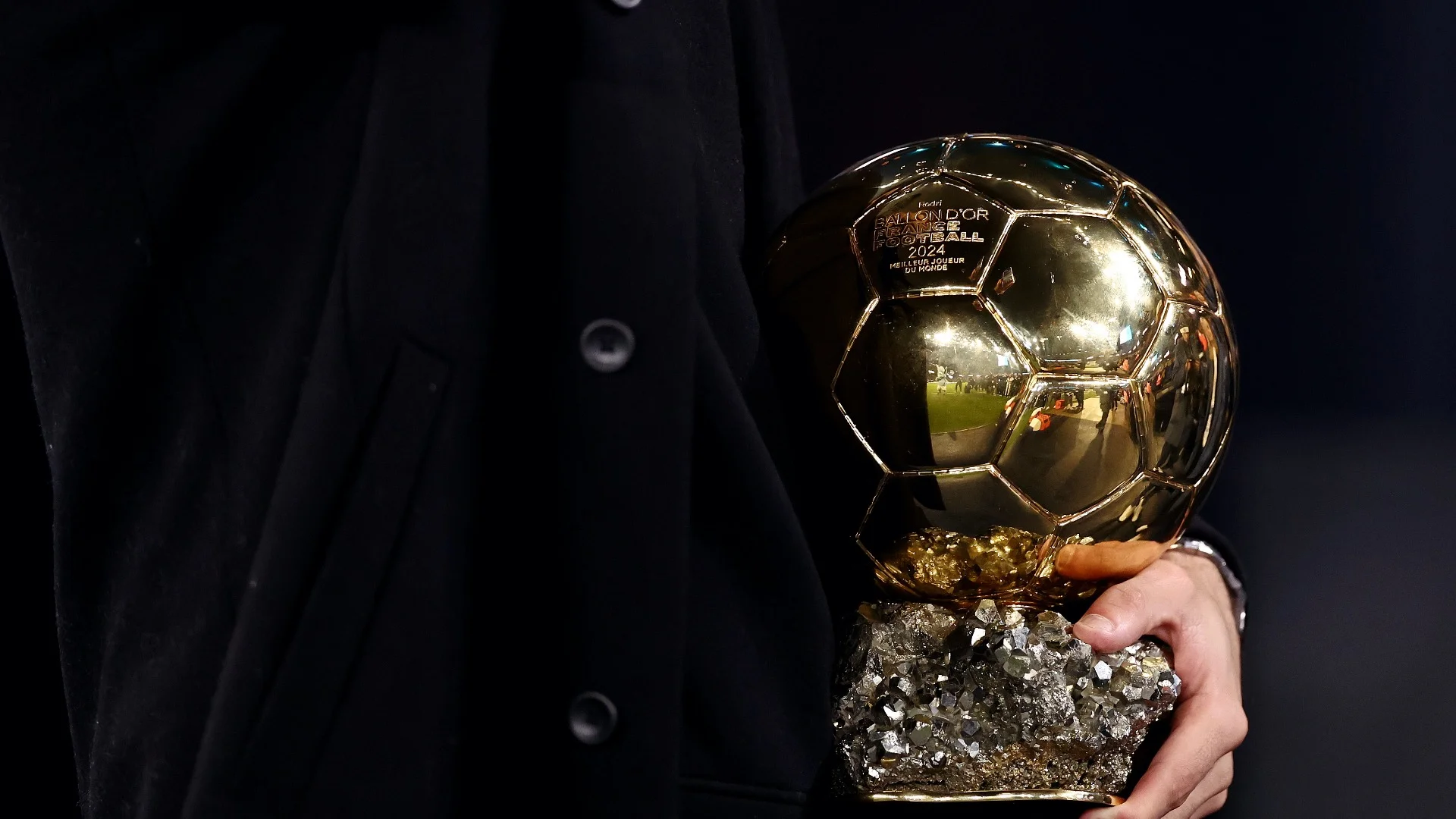
There's a noticeable excitement around PSG's players on the Ballon d'Or shortlist. Each name represents not only individual talent but also the strategic depth of PSG as a football powerhouse. However, the absence of certain players from the list raises eyebrows and invites scrutiny. Those missing include goalkeeper Matvey Safonov, who hasn’t made the same impact, along with Desire Doue and the often-overlooked Warren Zaire-Emery. Their skill sets are impressive, yet they seem overshadowed by more recognized names. It’s intriguing to see how perceptions differ when players compete for attention in such a crowded field.
Fabian Ruiz arguably deserves special mention as he is the only nominee with both World Cup and Champions League titles, illustrating a rare dual pedigree. His experience could be invaluable in tight situations that may arise during high-stakes matches. Yet, among supporters, there’s a growing sentiment that Khvicha Kvaratskhelia’s potential is undervalued, primarily because Georgia's absence from the World Cup has cast a shadow over his contributions. (And this is the part most people overlook: national team success can significantly affect individual recognition.)
PSG's Season Dynamics
Despite the nominees’ accolades, PSG's current season dynamics tell a different story. The team's winless start has cast a pall over player performances, impacting how they're assessed in the broader footballing community. Following the recent defeat to Monaco, questions loom about not just individual form but collective cohesion. Matvey Safonov's form is particularly troubling, as he's conceded six goals from only nine shots on target—a statistic that speaks volumes about defensive frailty. When a goalkeeper struggles this notably, it often ripples through the team.
Moreover, the challenges seen with summer acquisition Lucas Digne also raise questions about the management decisions made by PSG's front office. While one would expect new signings to bolster team strength, anything less can lead to deeper issues, both on and off the pitch. With player morale a significant factor in any competitive sport, these dynamics create an atmosphere of uncertainty that could tarnish PSG's image as a top-tier club.
While PSG's list of Ballon d'Or nominees showcases their strength, the dismal start to the season presents a juxtaposition that the team must urgently address. How do you reconcile individual brilliance with collective failure? That’s the challenge PSG faces as they navigate not just through this season, but through the influences of perception that such awards bring.
Implications for the Future
Looking ahead, the situation surrounding PSG is more layered than it appears at first glance. The number of nominees speaks to the club's investment in talent, a strategy that's otherwise commendable. Yet, success in individual accolades doesn’t always translate to team success. A reality check comes to mind: if PSG can't find their footing on the pitch, even ten nominees might struggle to gather respect and recognition by the end of the season.
What this means for you, if you're working in this space, is that the coming months will be critical. The club must strike a balance between managing star talent and producing results. High expectations are both a blessing and a curse in football—what once is a mark of prestige can quickly turn into a yardstick for failure. The scrutiny on individual players will undoubtedly increase as this season unfolds, especially if the team continues to underperform.
Ultimately, PSG’s ability to navigate this landscape could define their legacy for years. If the individual talents shine but the team fails to deliver, the shortfall will raise questions about the very strategy that brought them to this point. If there’s a silver lining, it may just lie in the collective resolve to refocus and redefine aspirations amid adversity. The onus is on PSG to transform this moment into momentum.