Paris Saint-Germain (PSG) is demonstrating exceptional management both on and off the field, as recently unveiled financial figures indicate.
The club, long associated with lavish spending due to state backing, has managed to significantly curtail its transfer deficit in recent years. The shift towards better financial stewardship is evident, as PSG is not only achieving success in the UEFA Champions League but also improving its financial health.
PSG Approaches Financial Equilibrium
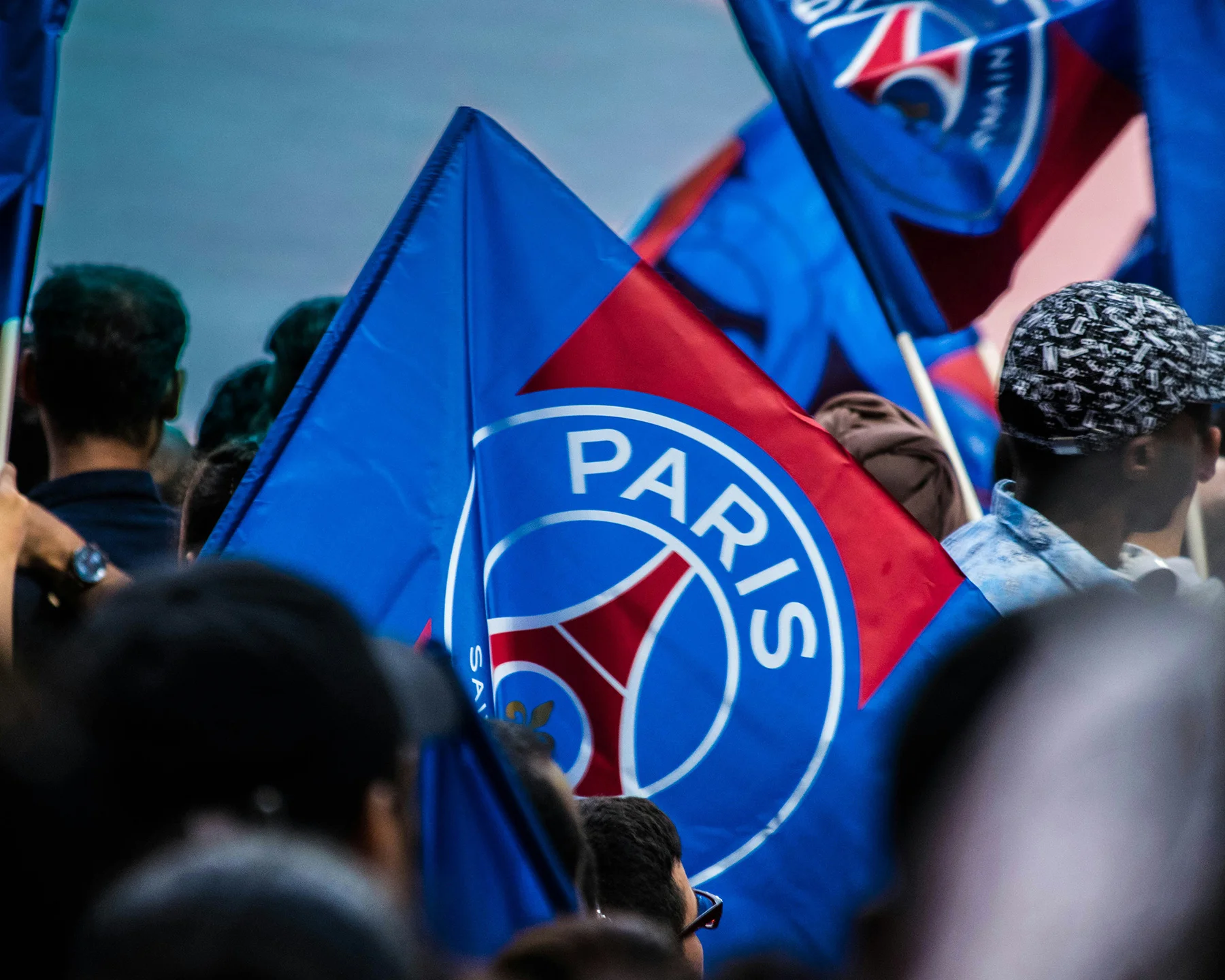
A recent report from the CIES Sports Observatory ranks PSG at the forefront of football clubs regarding net spending, achieving a remarkable €207 million net gain in transfers this year. Over the past decade, their total deficit stands at €209 million, positioning them on the brink of returning to a balanced financial state. For a club previously marked by significant spending, this pivot is nothing short of transformative.
PSG's turnaround in financial management is particularly significant in light of UEFA's Financial Fair Play regulations. These rules aim to ensure clubs operate within their means. PSG has had its share of scrutiny for spending heavily on star players, but their latest financial maneuvering shows a clear attempt to reconcile ambition with sustainable practices. If they can maintain this trajectory, the implications extend beyond their financial health; they might also reinforce their reputation in European football.
In contrast, Saudi Arabian club Al Hilal has amassed a staggering net spending of €837 million since 2016, highlighting the intense financial competition in the Saudi League. PSG's relative austerity in a landscape where financial muscle often dictates success is noteworthy. Al Hilal's aggressive recruitment strategy, funded by the vast resources of its league, presents a challenge that could affect PSG’s ambitions on both domestic and European fronts. The disparity in financial approaches showcases different philosophies regarding club growth and competitiveness.
Player Performance and Its Impacts
In player-related news, PSG boasts ten nominations for this season's Ballon d'Or, but one notable absence has sparked discussions. While the nominations signify the club's influential roster, they also highlight the pressures facing individual players. Following a shaky start to the season, including a recent loss to Monaco, several players have faced criticism for their performances, particularly goalkeeper Matvey Safonov, who has struggled early on.
The scrutiny of Safonov illustrates the harsh realities of modern football. Fans and analysts alike expect consistently high performance from top-tier players, particularly when a club promotes itself as a serious contender for titles. The discrepancies in form among star players raise questions about PSG’s currently established dynamics and whether the weight of expectations is yielding to performance stress. Players need to rise to the occasion or risk being replaced, a reality that could perpetuate instability.
As PSG continues to refine its approach to player transactions, the success of this financial strategy could soon translate into a more stable financial future. Maintaining a balance between nurturing talent and making intelligent acquisitions is essential as the club aims to build a sustainable model that supports long-term success.
Implications for Future Success
What does this mean for PSG and their aspirations? The club's trajectory suggests that a genuine effort to manage finances responsibly can coexist with on-field ambitions. Successful financial management could pave the way for new investment opportunities, allowing PSG to scout and retain top talent while remaining compliant with financial regulations. The next few seasons could prove critical as they navigate potential pitfalls and exploit opportunities presented by a shifting football economy.
Here's the thing: PSG's current approach isn't just about immediate success in terms of trophies; it’s also a strategic pivot that aligns with broader trends in sports management. Clubs across Europe are increasingly aware of the need for fiscal responsibility, especially as governing bodies tighten financial regulations. If PSG can demonstrate that it’s possible to blend winning with financial prudence, other clubs may follow suit—shifting the entire conversation around player spending. You'll likely see more clubs look to strike the same balance.
This emerging financial strategy represents more than an internal adjustment for PSG. It speaks to a larger shift in the football industry, where sustainability and competitive success must intertwine. Fans and stakeholders eagerly anticipate seeing whether this new approach genuinely revitalizes the club’s potential or if they’ll face hurdles down the line.