Paris Saint-Germain has earned accolades for its stylish kits, but the latest release has certainly divided opinions.
As PSG embarks on a new season full of ambition, the unveiling of their third kit comes with much anticipation. Yet, the initial reaction has not been overwhelmingly positive.
The kit features a black base accented with red trim and a peculiar blue-green vertical stripe, which some fans have characterized as unappealing and reminiscent of unwanted designs.
A Design That Draws Criticism
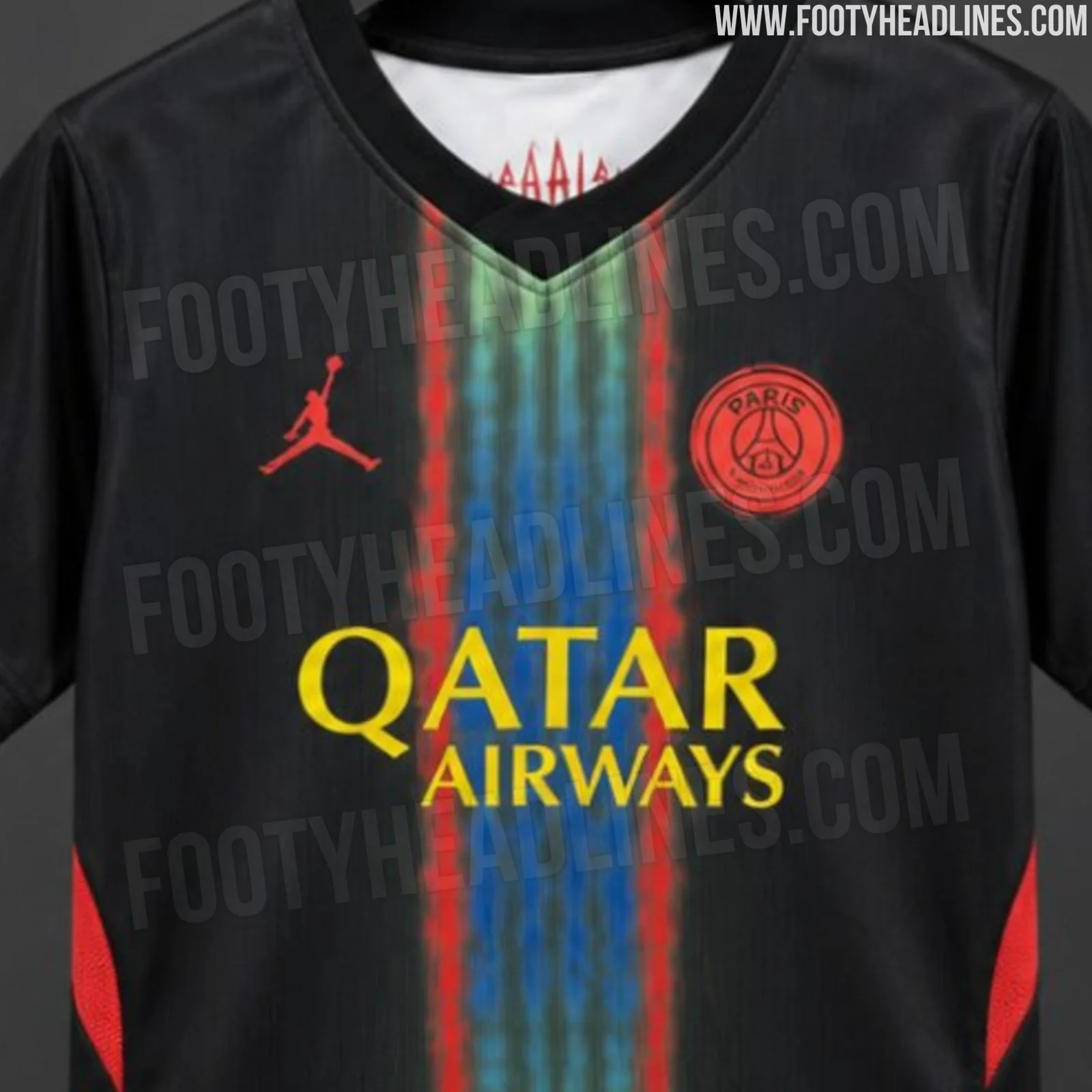
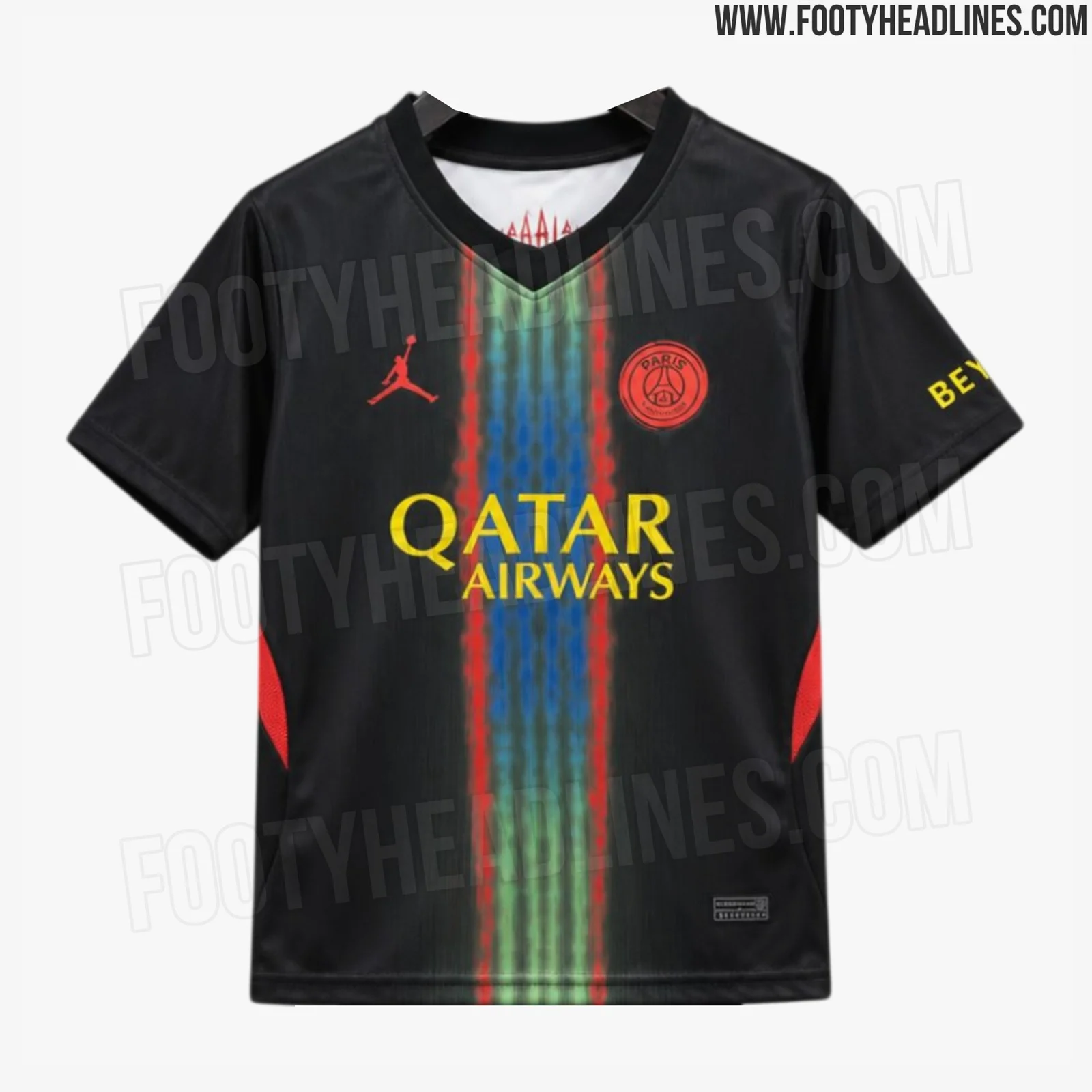
The new PSG kit has sparked a flurry of criticism from fans and fashion enthusiasts alike. While the home and away kits have garnered acclaim for their stylish designs, this third kit seems to miss the mark. The mixture of black, red, and a perplexing blue-green stripe has led many supporters to feel that it lacks the flair typically associated with the club’s apparel. Comparatively speaking, the previous kits embodied a modern twist on classic styling, successfully marrying fashion with functionality. This latest offering, however, appears to abandon that ethos.
Some fans have gone as far as to describe the kit as reminiscent of outdated designs that ruled the streets several seasons ago. There's an undeniable disconnect between PSG's image as a top-tier football club and the aesthetic choices being made for its merchandise. With an incredible palette of options available in contemporary sportswear, the creative team behind this kit seems to have faltered, at least in the eyes of its most dedicated followers.
What this means for the brand's image is worth considering. PSG has established itself not only in sports but also as a fashionable entity within the football world. This misstep has the potential to tarnish that reputation, leading some to hope we see less of this kit on the pitch as the season unfolds.
Fans are encouraged to share their opinions—whether they see merit in the kit design or feel just as disillusioned—within the comments section. Engaging more closely with the public could lead the club to better understand the expectations surrounding their brand.
Other Updates Surrounding PSG
The team isn't just grappling with style issues; off-the-pitch developments are creating buzz as well. Luis Campos, the club's sporting director, will miss PSG’s upcoming match against Brest. This follows a one-match ban due to an altercation with Lille staff members, adding yet another layer of drama to PSG's rocky start to the season. Campos’ absence will be felt not just in tactics but also in the overall energy he brings to team dynamics.
Meanwhile, rising star Khvicha Kvaratskhelia has become a key topic in discussions about this year's Ballon d’Or. The talented winger is currently seen as a strong contender, and his humble approach when addressing the media demonstrates a sense of maturity that belies his age. His insights into his performance and aspirations speak volumes about the evolving nature of player-brand interactions in today’s sports market. Players are now far more conscious of their public personas, and Kvaratskhelia’s demeanor illustrates a shift toward more grounded celebrity figures within professional sports.
Similarly, Ousmane Dembélé has shown promise in recent Champions League outings. His performance has been a mixture of flashes of brilliance and moments of inconsistency. Nevertheless, his interviews convey a frank acknowledgment of the need for improvement, both personally and collectively as a team. That level of self-awareness is refreshing and may serve as a rallying point for fans and players alike as they push through early-season challenges.
Implications for PSG and Its Fans
The broader implications of a poorly received kit design extend far beyond just aesthetics. PSG operates in an environment where brand perception is paramount. A fashion misstep like this can dilute the club's marketability, affecting everything from merchandise sales to sponsorship deals. If fans, particularly those with purchasing power, do not connect with the kit, it could result in significant financial repercussions.
Beyond finances, the emotional connection fans have with their club is vital. Fans often see club merchandise as an extension of their identity. The pushback against the new kit indicates that PSG might be misreading their audience. In an era where fan engagement is increasingly driven by social sentiment, keeping in tune with audience preferences can’t be overlooked. If you're working in this space, you know firsthand the significance of aligning product offerings with consumer expectations.
Looking ahead, the club could benefit from soliciting more direct fan input. This can offer invaluable insights into what resonates with their base. By fostering a closer relationship with supporters, PSG can ensure their future designs reflect the tastes and preferences of a passionate community. This, in turn, could help restore confidence in the brand’s ability to marry style with substance as they continue to strive for success on the pitch.