Building Trust and Communication
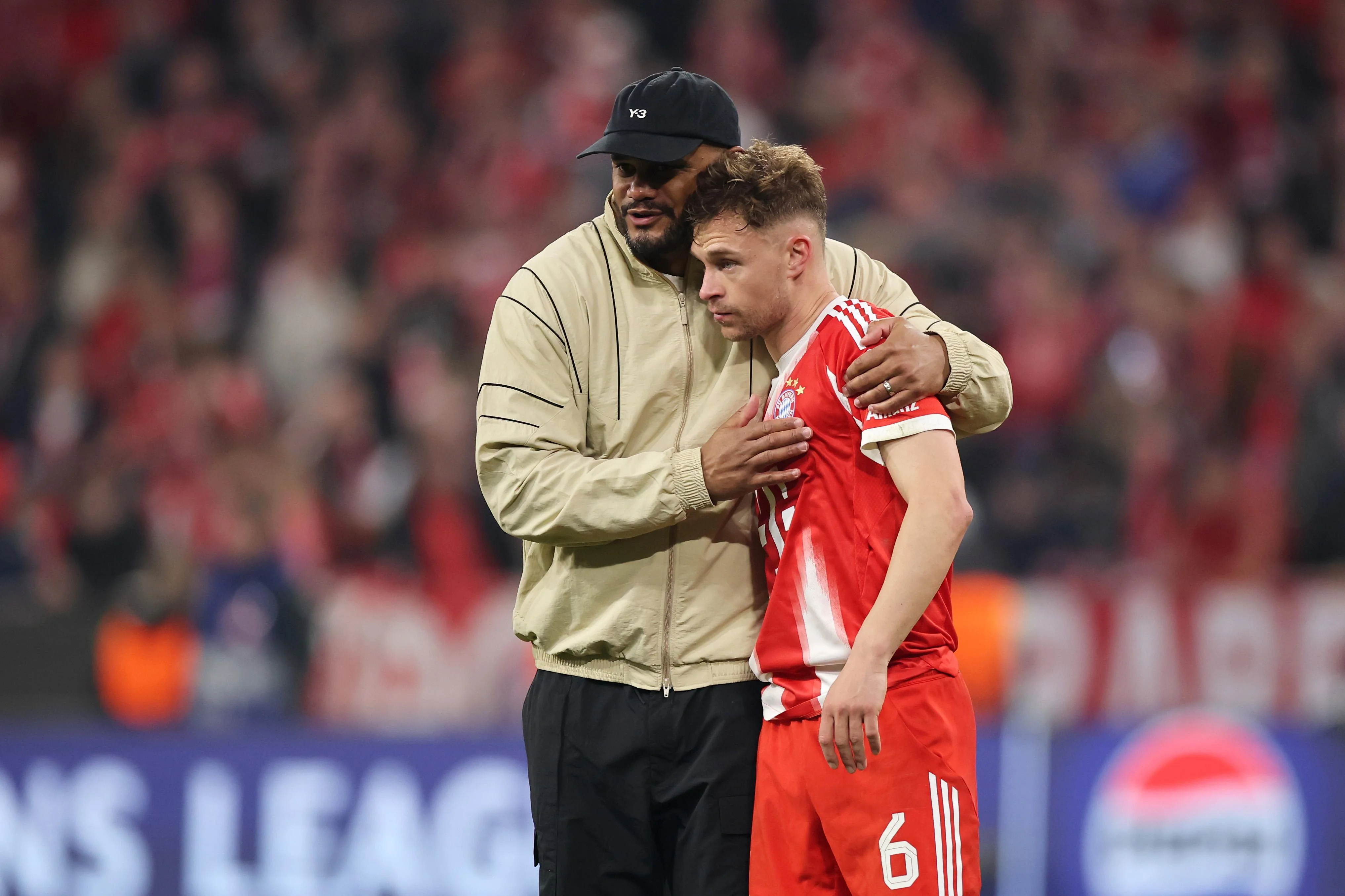
Bayern Munich's head coach, Vincent Kompany, has established a close working relationship with midfielder Joshua Kimmich, placing immense trust in his insights. Reports from Bild journalists Julian Agardi and Michel Schröer indicate that Kompany regularly seeks Kimmich's perspective to gauge the atmosphere within the team and to understand dynamics that often remain unseen from the sidelines. This level of communication isn't typical in high-stakes environments like professional football; coaches often rely solely on tactical assessments or direct observations. However, Kompany’s willingness to incorporate Kimmich’s insights speaks volumes about his leadership style.
Kimmich's Role as Vice-Captain
Kimmich's position as vice-captain significantly enhances his influence in this complex relationship. He’s not just another player; he embodies the experience and values that Bayern Munich represents. With years at the club, Kimmich has grown into a pivotal figure capable of bridging the gap between players and coaching staff. His understanding of club expectations is crucial, as Bayern is known for its demanding standards. For a young player or even an experienced one, getting this kind of perspective can make a world of difference in navigating the pressures of expectation.
Yet, many might overlook how important it is to have someone like Kimmich in a position of power. He provides the coaching staff with insights from within, helping them develop strategies that consider the psychological state of the team. This dynamic isn’t only about winning matches; it's about managing individual players' psyches and reconciling them with the collective goal of success.
The Emotional Landscape of a Football Season
Kompany's approach emphasizes not just what happens on the pitch but also the emotional and interpersonal dynamics within the squad. In a season filled with stress and competitiveness, even minor issues can rapidly escalate into larger problems. If you're working in this space, whether coaching or managing players, you'll recognize that a cohesive environment is essential for sustained performance. Kimmich helps to create this atmosphere by ensuring that players' concerns are relayed directly to Kompany.
This attention to team morale becomes even more significant as the season progresses and fatigue sets in. Kompany seems to understand that the mental health of his players can directly translate to their performance on the field. When players feel valued and understood, they are more likely to give their best, taking accountability for both personal and team development.
Along these lines, Kimmich acts as a barometer for team sentiment. His frequent consultations with Kompany create a feedback loop that can identify and address problems before they turn into crises. In environments that are extremely competitive, like Bayern Munich, maintaining harmony can be as important as strategy itself.
Implications for Team Dynamics
What this means for you is that the relationship between Kompany and Kimmich may serve as a model for other teams in similar positions. As clubs pursue titles and trophies, the hidden work that occurs off the pitch can be just as vital. These dynamics can't be quantified in goals scored or matches won, but they’re integral to long-term success.
It's also interesting to consider how this could influence future coaching hires. Clubs looking for a coach who not only understands tactics but also values emotional intelligence and player psychology might take a closer look at Kompany's methods. In a world where data and analytics are often seen as the Holy Grail, the importance of interpersonal relationships as a performance enhancing mechanism shouldn't be dismissed—especially for coaching backrooms aiming for longevity.
The Road Ahead
As Bayern Munich continues its journey this season, this relationship could have far-reaching implications. More than just a strategic partnership, it represents an evolving philosophy around team management. It emphasizes that winning isn't solely about physical prowess or tactical superiority. Instead, it highlights the intricate web of trust and emotional intelligence within a team. In a sport where the margins of success are razor thin, these subtleties may become the defining factors between a good team and a great one.
Kompany and Kimmich’s dynamic illustrates a paradigm shift that could influence coaching philosophies across major football leagues. If they can maintain this synergy, it may pave the way for a Bayern Munich revival that resonates far beyond the pitch—a team defined not just by its titles, but by its unity and resilience.