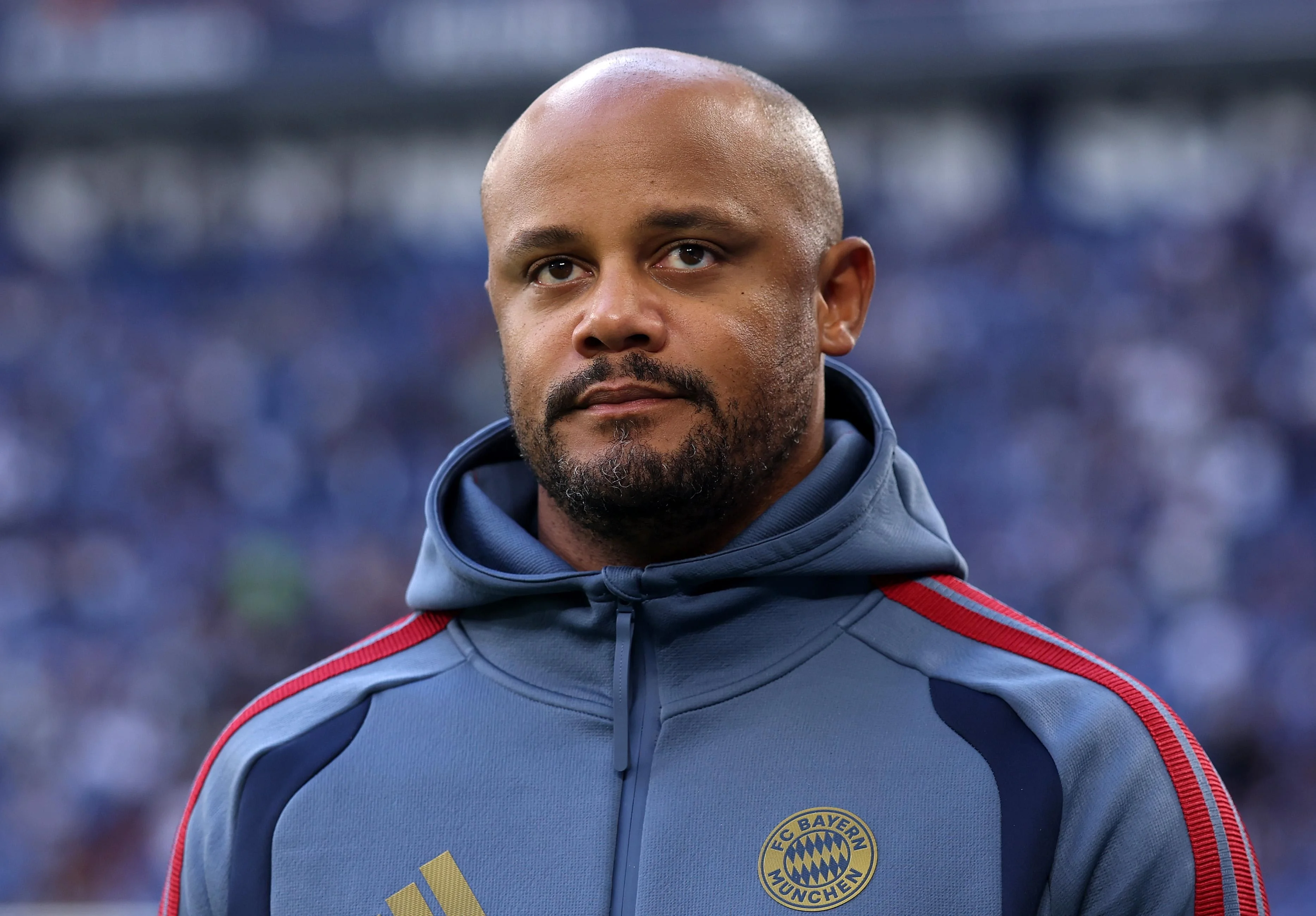
Disappointing Results for Bayern Munich
Bayern Munich's strategy during the second matchday of the Bundesliga proved to be less successful than expected. Missing two key players, Michael Olise and Harry Kane, from the starting lineup, the team struggled against a defensively solid Schalke 04. The disappointment wasn't just in the final scoreline, but also in the lack of offensive cohesion displayed by the Bavarian giants prior to their introduction into the match.
In the modern football context, depth and player rotation are often just as important as having star players on the pitch from the start. For Bayern, the absence of Olise and Kane posed not just a tactical challenge but a psychological one. Fans expect not only victories but also a strong attacking presence, and leaving out proven goal-scorers raised understandable questions about the management's long-term vision and readiness for the season.
Kompany's Justification and Strategy
Following the match, Coach Vincent Kompany found himself under scrutiny. His decision to delay the deployment of Olise and Kane until the 60th minute wasn't without rationale, as he explained in the post-match press conference. The coach detailed that both players had returned late from vacation and were still recovering from an energy-sapping Pokal match against Osnabrück. It’s a balancing act familiar to many managers: ensuring vital players remain fit while also addressing immediate match needs.
That said, the fans' unease after seeing a toothless attack was palpable. Kompany's explanation highlighted not only the complexities of player fitness but also pointed to an underlying issue: how much faith should be placed in squad depth at a club that has historically relied heavily on its marquee signings? Even well-thought-out decisions can be challenged when results don't align with expectations.
Impact of Player Rotation on Performance
The situation exposes a broader concern many teams face: how to adequately rotate players to maintain fitness without compromising match performance. This isn't unique to Bayern Munich. Many top teams grapple with the need to rest key players, especially when juggling multiple competitions throughout a season. The concern is valid—if players aren’t match-fit, their performance will wane, impacting not just individual outcomes but team morale and strategy.
Here’s the thing: fans and analysts alike are impatient for results. The window in which a coach can experiment with rotation tactics while still maintaining a high level of performance is often very slim. For Bayern, the pressure to win is compounded by an unwavering expectation of excellence. It’s a bitter pill to swallow watching a match slip through their fingers because of a strategic miscalculation or injury management decision.
Balancing Act Ahead
In the wake of this missed opportunity, the implications for Kompany's season ahead are significant. Teams like Bayern Munich don’t just compete against opponents; they also contend with inflated expectations of their fanbase and the media. The fact that Kompany’s decisions are already under microscope suggests a constant battle against public sentiment is about to unfold.
If you’re working in this space, you understand that managing a high-profile club can feel akin to walking a tightrope. One wrong move can send the season into a tailspin, and the early rounds of the Bundesliga serve as a reminder of the weight of these decisions. Indeed, the stakes are always high when you’re in charge of one of the most decorated football clubs in the world.
What Lies Ahead for Bayern Munich?
So, what's next for Bayern? They'll need to recover quickly from this setback. Maintaining a healthy squad is imperative, but so too is developing a fluid attacking strategy that can perform regardless of which players are on the field. It’s about finding the right blend of rest and match readiness. The introduction of Kane and Olise should have elevated the team's performance, yet this game highlights the larger question of whether the club's depth can withstand the rigors of a long season. (and this is the part most people overlook).
Ultimately, Bayern Munich will have to navigate the challenge of integrating their key players while ensuring their substitutes can hold their own in crucial matches. Moving forward, fans will undoubtedly keep a watchful eye on Kompany's decisions, eager to see if this hiccup is merely a blip or a harbinger of a more significant challenge ahead. In a league as competitive as the Bundesliga, even a missed chance for two points can have ramifications that echo throughout the season.
Join the conversation!
Sign up for a user account and get:
- New, improved notifications system!
- Fewer ads
- Create community posts
- Comment on articles, community posts
- Rec comments, community posts