Luis Enrique has shed light on his decision to rest Ousmane Dembele, emphasizing the need to prioritize his player's physical well-being.
As Paris Saint-Germain prepares for a crucial Ligue 1 opener against Lille, one notable absence will be Ousmane Dembele. The manager opted to grant Dembele a week off from training, allowing the star forward to recuperate before rejoining the squad on Monday.
The Importance of Player Wellness
In the high-stakes world of football, managing player health is often overshadowed by the pressure to win. Coaches like Luis Enrique are faced with the constant challenge of balancing competitive needs with the long-term welfare of their players. By resting Dembele, Enrique demonstrates a commendable commitment to this balancing act, recognizing that a well-rested player is likely to perform better over the season compared to one worn down by fatigue.
This isn't just about Dembele; it's indicative of a broader trend in football where teams are placing increasing emphasis on sports science and player management. The modern game demands not just physical prowess but also mental resilience, and that necessitates periods of rest, especially after grueling commitments like international tournaments. Enrique’s decision signifies a tactical shift from a purely performance-driven mindset to one that incorporates holistic considerations of player health.
Dembele Takes a Breather After a Busy Schedule
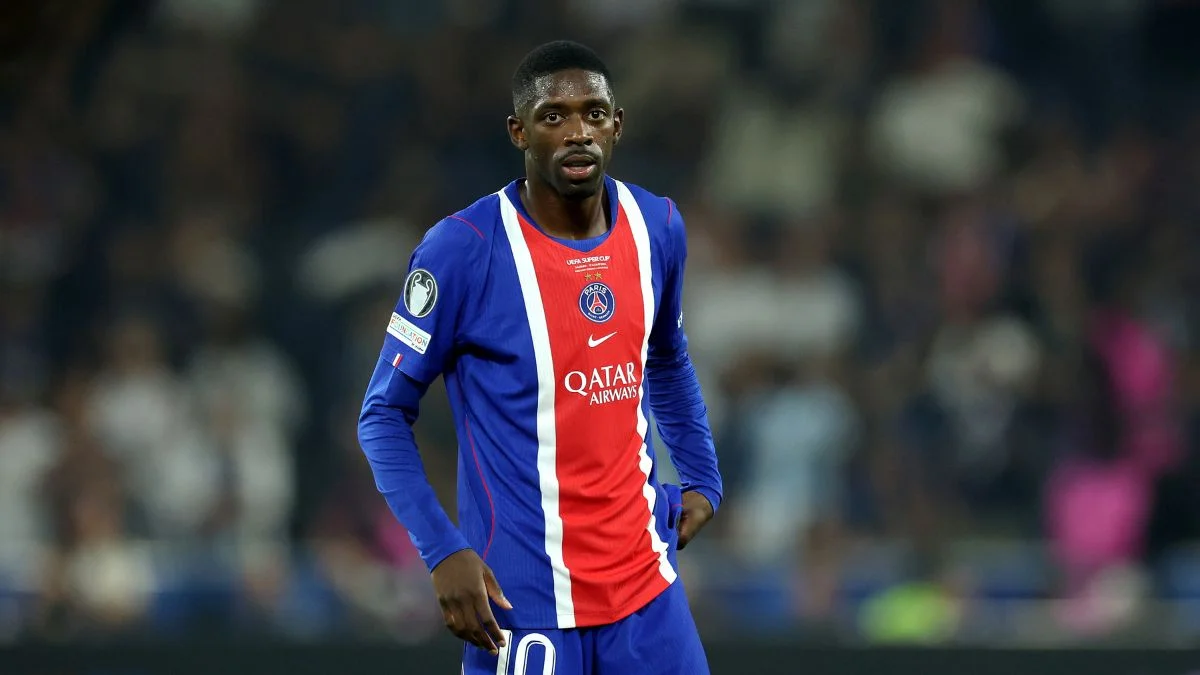
After a challenging summer that included participation in the World Cup and preparation for the UEFA SuperCup, Dembele's fatigue became evident. The relentless nature of a top-level athlete's schedule can lead to significant burnout, and Enrique’s public acknowledgment of this reality showcases a progressive approach to coaching. Rather than view rest as a luxury, he frames it as an essential strategy for sustaining performance throughout the season.
“I hold Ousmane Dembélé in high regard; he’s an integral part of our team. This break is essential after his tremendous efforts this summer," Enrique stated. "It's important for us to manage our players’ health carefully.” This statement reflects not just a manager's appreciation for his player but also a strategic mindset aimed at preserving talent over time. With key matches ahead, maintaining a fit and mentally sharp Dembele is paramount.
The PSG coach has been transparent about his methods, stressing that such decisions often generate speculation. Situations like this tend to draw a flurry of media attention, sometimes leading to unfounded rumors or second-guessing. However, Enrique is focused on player preservation. “My players are accustomed to my decisions, and this is simply about ensuring they stay in good shape,” he added. The transparency here could serve a dual purpose: it bolsters the trust between the coach and his players, and it also keeps the fans informed about the rationale behind seemingly surprising choices.
| Luis Enrique: "I am a big admirer of Ousmane Dembélé, I repeat that. He’s an essential player for us. He made a huge effort this summer to be ready and present for the UEFA SuperCup final during his vacation."
"He is, was and will be an essential player for us. We made a… pic.twitter.com/wk4gNYEsEO
— PSG Report (@PSG_Report) August 27, 2026

Other Developments
In transfer news, Bradley Barcola's impending transfer to Liverpool has been confirmed with reports suggesting a fee could reach €140 million, adding more excitement to the ongoing transfer saga. This transfer, reportedly one of the highest ever for a Liverpool signing, further amplifies the financial stakes in modern football, pushing clubs to make calculated decisions on their rosters.
Dembele's absence against Lille highlights PSG's focus on managing player workloads effectively, especially for key players who have had grueling schedules recently. If you're working in this space, it’s crucial to understand how player management will become even more significant as clubs navigate the demands of domestic leagues and European competitions. Many clubs may look to PSG’s approach as a benchmark in this regard, especially as they deal with their own star players and strategic roster decisions amidst financial pressures.
Implications for the Future
The way clubs manage their stars not just during the season but also in relation to broader tournaments can set a precedent. With player health increasingly becoming a priority, we might see a shift in how team strategies are formulated. More progressive clubs may adopt similar philosophies, illustrating a real change in the culture of how athletes are cared for.
Moreover, the response from fans and media to decisions like Enrique's will likely influence how managers are perceived in future scenarios. Transparency and sound rationale can mitigate backlash if the decisions don’t yield immediate results. In a sport driven by immediate gratification, this shift appears both necessary and challenging.
We'll be watching closely how PSG, alongside other clubs, adapts to these complexities. The long-term implications could redefine coaching philosophies across leagues and even impact player transfers if athlete retention becomes synonymous with health preservation strategies.