Luis Enrique stirred debate by replacing Ousmane Dembele at halftime during PSG’s encounter with Rennes.
In a tense opening match of the Ligue 1 season, PSG managed to claw back from a 2-0 deficit to secure a 2-2 draw against Rennes. The match became particularly notable for Enrique's bold choice to withdraw star winger Ousmane Dembele before the break. This decision has sparked discussions among fans and analysts alike about managerial authority and player accountability within one of the world's most scrutinized football clubs.
Contextualizing the Decision
Substituting a player of Dembele’s caliber — especially at halftime — isn’t merely a tactical maneuver; it's a declaration of intent. Dembele, a player known for his dazzling skills and pace, arrived at PSG with a reputation built on significant past performances. Yet, in this match, when his efficacy was questioned, Enrique opted to replace him with Ferran Torres. The choice reflects not only the immediate need to change the game’s momentum but also a larger philosophical stance that emphasizes performance over reputation. This is a team that hasn't seen silverware in a while; decisions must align with the immediate goal of restoring PSG’s dominance.
In hindsight, this could be seen as a pivotal moment for both Enrique and PSG. Managers often find themselves in a balancing act between nurturing talent and demanding results. For Enrique, this substitution sends a message that in his eyes, no player is above scrutiny, regardless of prior accolades. It’s about maintaining laser-focus on performance metrics.
Upholding High Standards
Enrique's decision wasn't just a tactical one; it reflects his broader philosophy regarding player performance and team ethos. “You have to prove every day, in every training session, every match, that you’re ready; otherwise, it’s easy to get complacent,” he explained. The stakes are high in football, particularly in a top-tier league like Ligue 1, where every point counts. This culture of accountability creates an environment where each squad member knows they must perform consistently. The pressure is relentless, but that pressure is what separates the top teams from the rest.
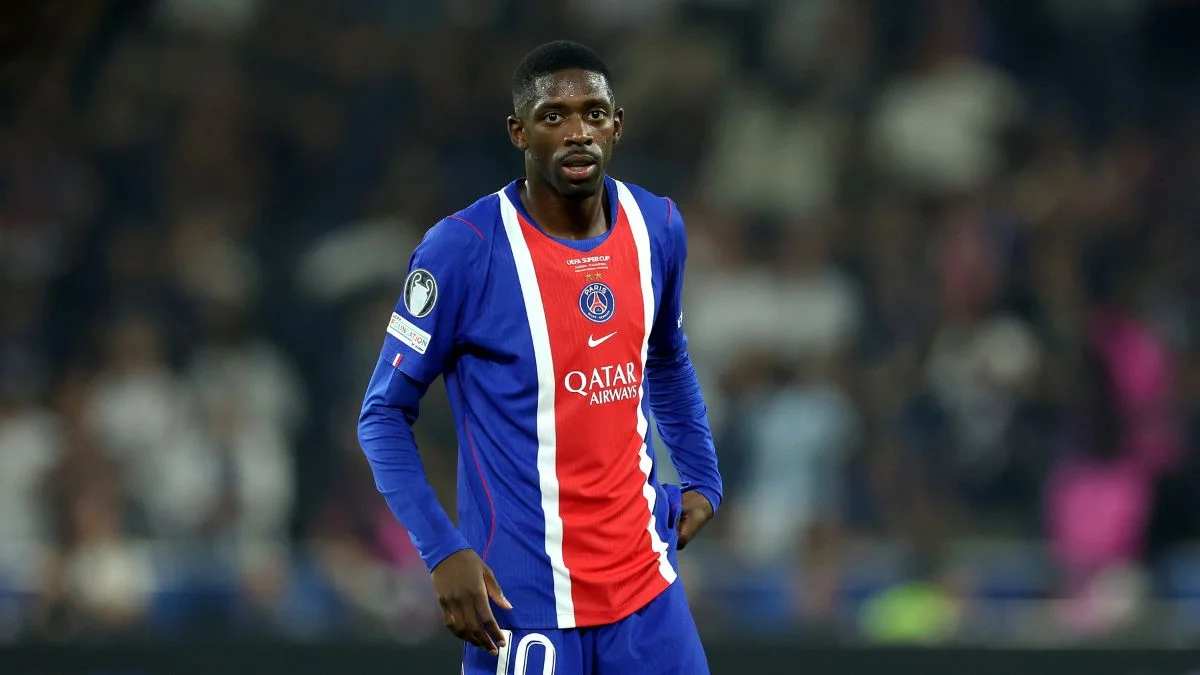
By opting to substitute Dembele, Enrique has not only shown confidence in his decisions but also reinforced the high standards expected from every player on the roster. In a setting like PSG, where individual brilliance often overshadows teamwork, Enrique is pushing a narrative that every player must earn their stripes day by day. This decision didn’t just impact the match; it could reshape how players approach their training and on-field performances.
Such a stance is evidently backed by the club’s management, who have placed their trust in him to make tough choices in the interest of the team's performance. After all, this is a club accustomed to winning, and they won’t be satisfied with average performances. The ideal is simple: consistently high performance. If players can’t manage that, they risk losing their spots.
Luis Enrique’s message subbing out Dembélé at half-time: “That’s how football is. PSG hasn’t won anything yet this season...
You have to… pic.twitter.com/1ebHut1BpN
— PSG Report (@PSG_Report) August 23, 2026
Further Reactions from Fans and Analysts
PSG's effort to tie the match was a significant highlight in the ongoing Ligue 1 season. While the draw against Rennes can be seen as a setback given their ambitions, the circumstances highlight an essential truth in football: it’s about adapting and evolving through each challenge. Fans and analysts alike have since debated Enrique's bold choices. Many support his stance on accountability, viewing it as a necessary shift in a team that has struggled with underperformance in critical matches.
On the other hand, some critics argue that making such changes during a game could unsettle players. If you're working in this space, you know that routinely rotating key players can disrupt team chemistry. Also, it's noteworthy that this response to Dembele's performance comes in a season where PSG is expected to reclaim its top spot in domestic football, after a season of mixed results. The intensity of those expectations amplifies the scrutiny placed on each decision Enrique makes.
In other news related to the club, Liverpool appears to be stepping back from their interest in Ibrahmi Mbaye after realizing PSG's substantial asking price. This shift in transfer negotiations adds another layer of complexity to PSG’s squad dynamics and may affect how new talent integrates into the team. With each match, the stakes won’t just be about winning; they’ll also reflect how well the team can evolve under pressure.
The Bigger Picture: Implications for PSG's Future
This incident could signify a shift in how PSG approaches both player management and team strategy going forward. With the growing importance of performance analytics, decisions like Enrique's could become more frequent. (and this is the part most people overlook) By setting firm standards for performance, Enrique may influence the recruitment strategy at PSG. Expect the club to prioritize players who not only exhibit talent but also a resilient mentality, able to thrive under high standards.
As the season progresses, all eyes will be on how the squad responds to such high expectations. Will they rise to the challenge, or will these tough decisions reveal cracks in team cohesion? One thing's for sure: the football community will be watching closely as PSG navigates this tense yet pivotal phase in their quest for glory.