Introducing ESPN's 2026 FC 100
The annual **ESPN FC 100** provides a provocative answer to the perennial query: who shines as the premier football player worldwide? This year's list doesn't just tally goals, assists, or trophies—it's a meticulous evaluation of a player's overall contribution to their team dynamics. By scrutinizing metrics like consistency in performance and impact during high-stakes matches, ESPN has crafted a rich portrait of each athlete’s ability to influence game outcomes. The results are both enlightening and contentious; some rankings will surely spark debate among fans and analysts alike.
Bayern Munich stands out prominently in this year's rankings, fielding several players across numerous positions. This diversity offers a glimpse into the club's depth and strength. While familiar names secure their spots as expected, others have raised eyebrows, either for being ranked higher or lower than anticipated.
As we dissect the rankings position by position, we'll spotlight the luminaries in each category, analyze their statistics, and discuss where Bayern players fit amid this elite group of football talent. If you’re entrenched in football analysis or simply a fan, these insights into player performances might reshape your view of the modern game.
Spotlight on Goalkeeper Rankings
The goalkeeper rankings in the 2026 FC 100 are intriguing for their eclectic mix of styles. David Raya from Arsenal claims the top spot, edging out Gianluigi Donnarumma of Manchester City and Thibaut Courtois of Real Madrid. Raya’s ascent is noteworthy; he represents a new breed of goalkeeper who excels beyond mere shot-stopping. His proficiency in build-up play and sweeping capabilities highlights his importance outside the penalty area.
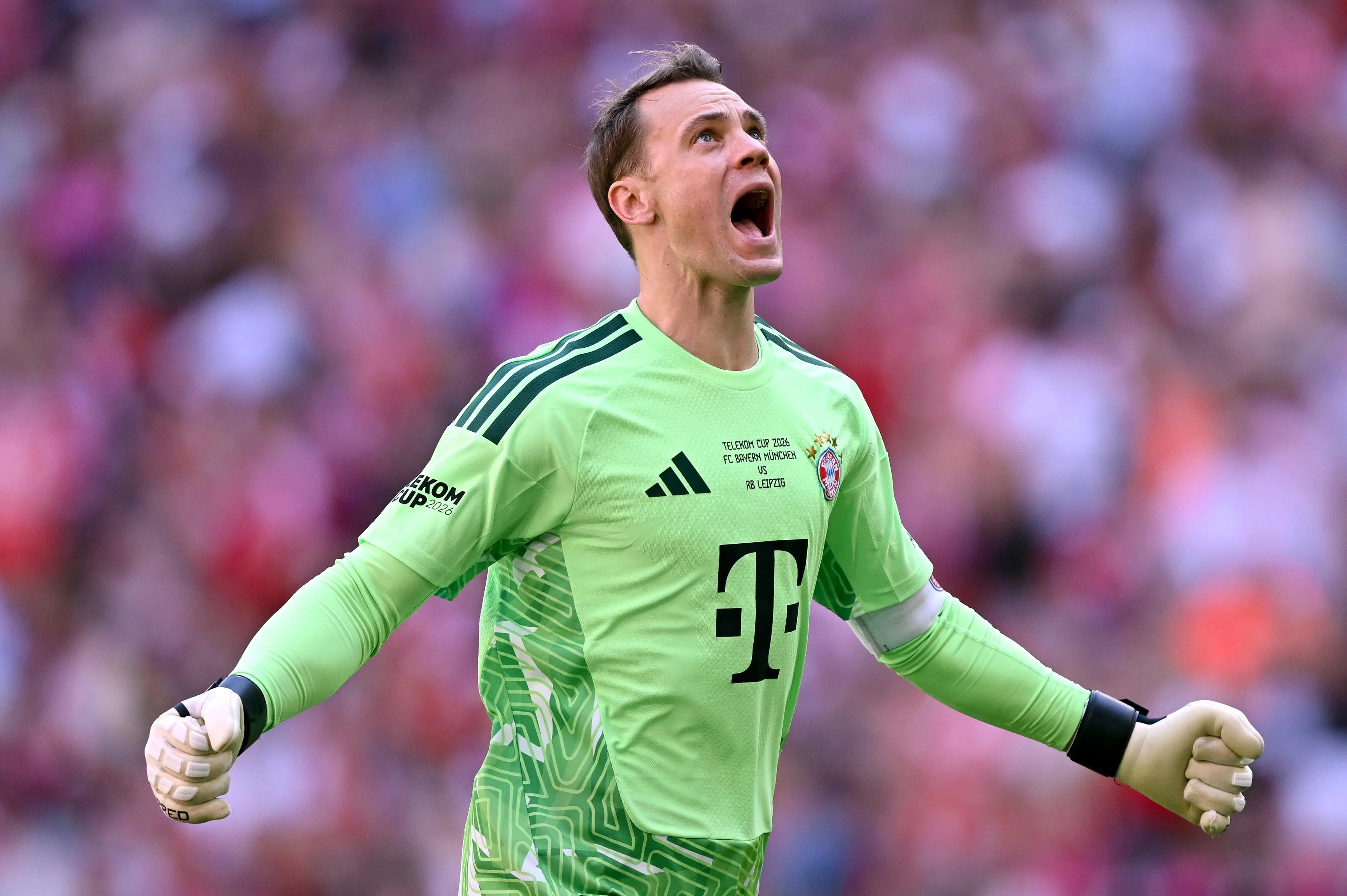
Raya’s position raises questions for Bayern Munich's legendary Manuel Neuer, who is conspicuously absent from the top ten. Neuer redefined the role of a goalkeeper with his pioneering skills and footwork, yet at 40, he now draws critique. ESPN’s ranking suggests that his current abilities may no longer keep pace with the younger elite. This juxtaposition of Neuer’s historical significance against Raya’s contemporary style encapsulates the evolving expectations of goalkeepers in today’s game.
Fullbacks’ Landscape
In the realm of fullbacks, Achraf Hakimi of Paris Saint-Germain remains indomitable, retaining his top ranking from 2025. His performance, particularly post-injury, has solidified his status, alongside Nuno Mendes and Jurriën Timber in the upper tiers of the rankings. Each player reflects a distinct style and profile that defines today’s elite fullback—offering both defensive acumen and attacking prowess.
For Bayern Munich, the absence of a representative in the top ten is telling. Unlike several other positions that boast Bayern players, this gap suggests a need for reevaluation of the club’s defensive strategy, particularly in the fullback position.

Center Backs Analysis
When it comes to center backs, William Saliba of Arsenal claims the throne, moving up from second place in 2025. His ranking is bolstered by astounding passing stats, allowing him to dominate in playmaking roles from the back. Saliba leads a contingent that showcases a blend of established stars and burgeoning talents.
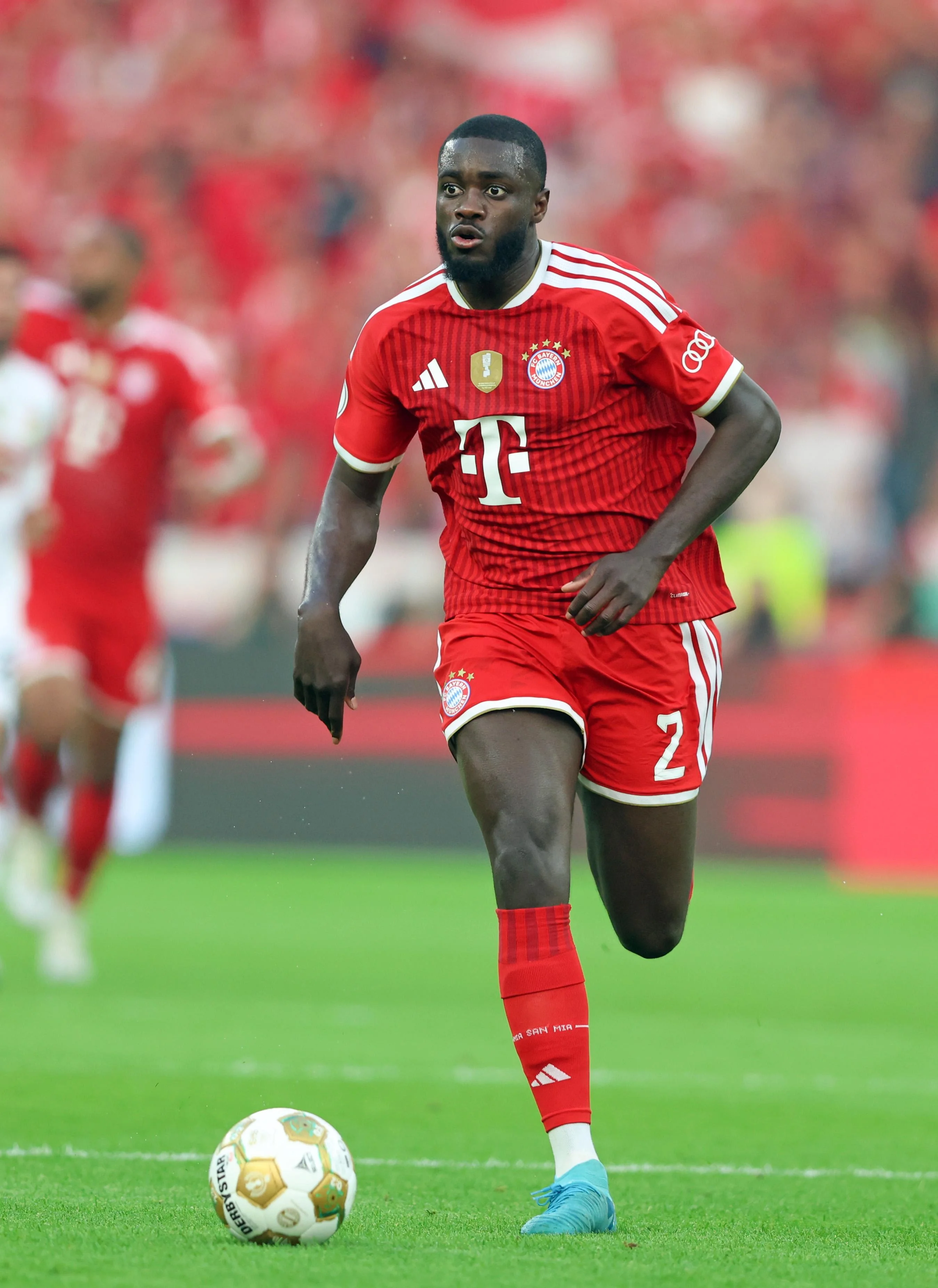
For Bayern, Dayot Upamecano and Jonathan Tah's placements in the top ten reinforce the club's strong defensive core. Upamecano has exhibited remarkable growth in his decision-making and ball distribution, while Tah's physical presence has made him indispensable under pressure. Having two players in the top echelons highlights Bayern's defensive capabilities, even as the competitors continue to elevate their own standards.
Midfield Dynamics
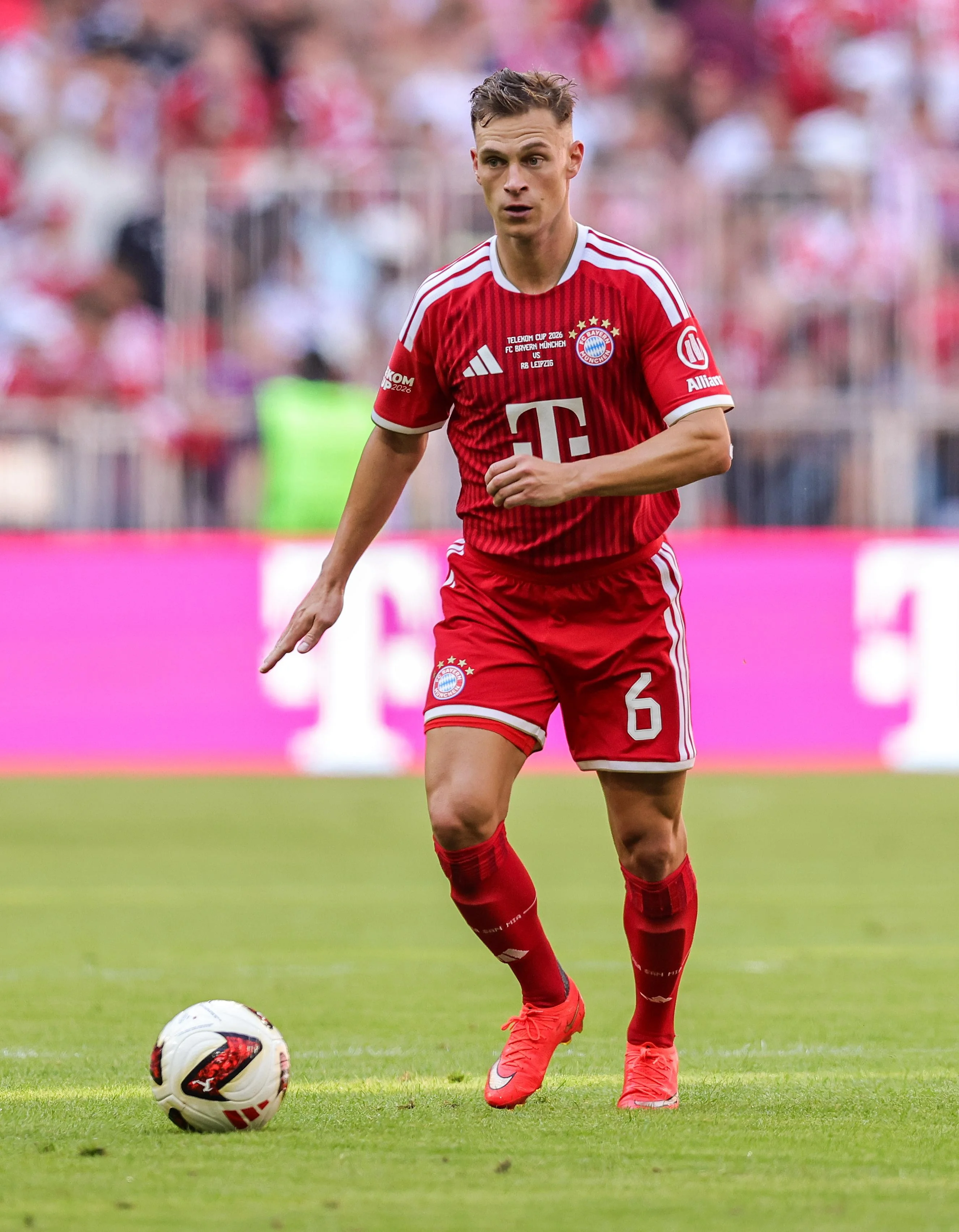
In the defensive and central midfield sector, Vitinha of PSG ascends to the top, followed by Declan Rice and Rodri. Their collective impact balances defensive roles with creative contributions, making this a compelling category for analysis. While the rankings reflect a mix of athleticism and technical skills, Joshua Kimmich’s presence at No. 7 signifies Bayern’s enduring midfield strength amidst fierce competition.
His stature as a playmaker is underscored by impressive statistics, showing that he consistently progresses the ball and creates opportunities. The inclusion of Aleksandar Pavlovic in the top 12 adds another dimension to Bayern's midfield versatility.
Assessing Attacking Midfielders
When evaluating attacking midfielders, Bruno Fernandes of Manchester United jumps to the forefront, succeeding in delivering decisive plays and contributing to goal-scoring. This elite cadre, packed with young talent and established stars, illustrates the evolving strategies within attacking roles. Bayern's Jamal Musiala features prominently at No. 13, a dip due to injury but still showcasing glimpses of his dynamic potential.
This mix of youth and experience makes the ranking significant. Both Musiala and Serge Gnabry stand as testament to Bayern's capacity for nurturing attacking talents that can change the game, further emphasizing the club's ambitious trajectory.

Wide Forwards Revolution
At the forefront of the wide forwards list, Bayern’s Michael Olise shines brightest, rising to the No. 1 slot after an exceptional season. His prolific partnership with Harry Kane emphasizes a potent attacking strategy that has redefined Bayern's offense. Olise’s ability to both score and create has set him apart, demonstrated particularly during his record-breaking performances in the World Cup.
With Luis Díaz also making the top ranks, Bayern’s attacking prowess is undeniable. They’ve managed to craft one of the most effective offensive units in recent memory, which positions the club well as they aim for future success.

Center Forwards: A Star Emerges
Finally, Harry Kane’s ascent to the No. 1 center forward position encapsulates a unique achievement as he overtakes younger talent like Kylian Mbappé and Erling Haaland. Scoring 58 goals for Bayern is a testament to his versatile skills, blending traditional striking prowess with creative playmaking.
This striking trio—Kane, Mbappé, and Haaland—not only bring different skills to the table but also highlight the shifting dynamics of what it means to be an elite center forward in football today. Kane's ability to deepen his play by dropping into midfield distinguishes him as not just a goal scorer but a comprehensive threat on the pitch. His performance affirms why he’s regarded as the best center forward globally, a distinction that carries weight and expectation as he leads Bayern's charge.
Overall, ESPN's 2026 FC 100 serves as a compelling snapshot of football's finest, and Bayern Munich's representation is a strong indicator of both individual and collective success on the field. As fans, players, and analysts digest these rankings, the discussion around player abilities and team strategies is only set to intensify.
Looking Ahead: Kane's Legacy and Bayern's Future
Harry Kane's ascent to the top of the 2026 FC 100 is more than just a personal triumph; it reflects the impressive evolution of Bayern Munich as a footballing force. His ability to break longstanding records previously held by legends like Robert Lewandowski and Gerd Müller underlines a remarkable adaptation, especially at the age of 33. While others like Kylian Mbappé and Erling Haaland may boast youthful dynamism, Kane's game is carved from a different mold—marked by sharp intelligence and technical finesse, attributes that have kept him at the pinnacle of the sport.
What does this signify for Bayern? The club is fielding not only the best center forward but a host of elite talent. With multiple players ranked among the top in their positions, including a plethora of stars on the wings and within the midfield, Bayern's roster looks formidable. This diverse talent pool ensures that the squad remains unpredictable and creative—a vital quality for competing at the highest levels of football.
Kane's performance this season, netting 58 goals for Bayern and contributing to 73 across club and country, further solidifies his claim for the Ballon d'Or. In a landscape where silverware often dictates accolades, his sheer individual brilliance cannot be overlooked. While the Champions League and World Cup trophies elude him, Kane's all-around gameplay—his ability not only to score but to set up his teammates—demonstrates a level of versatility uncommon in the modern game.
Yet, the absence of those major team trophies looms large over Kane's candidacy. It would be an oversight to dismiss him entirely based on that factor alone. The Ballon d'Or should recognize not just the silverware but individual excellence and influence. When you assess Kane's contributions, particularly in the context of Bayern's current trajectory, it becomes clear: he is defining a legacy that may yet culminate in the sport's most coveted individual honor.
As the season progresses, eyes will be on how Bayern harness this talent. If they align their collective strength around Kane's unparalleled skill set—a prospect that seems increasingly possible—this team could reclaim its place at the summit of European football, and Kane could redefine the standard for excellence in the eyes of the footballing world.