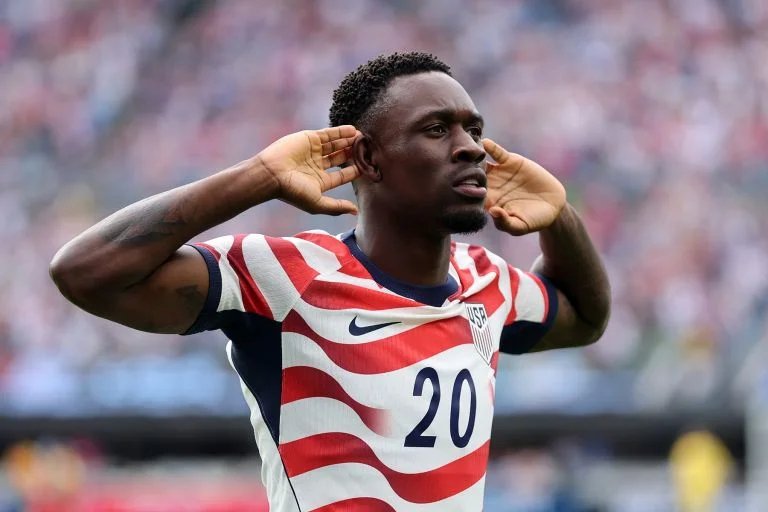
Ligue 1 stands out as a significant venue where young talents can hone their skills in a challenging atmosphere. As American players look to make their mark in European football, they are increasingly focusing on this French league as a platform for development. While traditionally overshadowed by other European competitions, Ligue 1 is gaining recognition for its ability to nurture emerging talent.
Why Ligue 1? The Broader Context
This context makes French football particularly appealing to American players aiming to advance their careers. Young players often face difficult choices when it comes to selecting a league—opt for the high-profile and intense environments of the English Premier League or La Liga, or head to a less storied league that can provide a clearer path to playing time. In this regard, Ligue 1 is becoming a crucial stepping stone. Notable examples include Timothy Weah, Folarin Balogun, Tanner Tessmann, and Mark McKenzie. Their experiences demonstrate that moving to France can open doors for U.S. soccer talents, both in terms of on-field experience and visibility within Europe. These players exemplify the viable path American athletes can traverse in French football, where they can develop their skills and gain exposure.
Read the full article by subscribing to Ensemble PSG on Substack
The Opportunities in Ligue 1
Here’s the thing: while securing a position at a prominent club in leagues like England, Spain, or Germany is a common aspiration for American players, that route often comes with significant risks and intense competition. Every year, countless young talents in these countries face the reality that many will remain on the bench, or worse, even in lower divisions. The financial clout of these leagues means clubs prefer seasoned players over unproven youth, making it hard to break into starting lineups.
On the other hand, Ligue 1's financial viability lags behind more lucrative leagues. Clubs in this league have adopted a cautious approach to transfers, largely due to budget constraints. That doesn’t mean they lack ambition; instead, many clubs now actively seek to develop young players. This creates an optimal environment for American athletes to prove their talents and build their presence before taking the next steps in their careers. Often, Ligue 1 teams are more willing to take a chance on youth, resulting in a higher likelihood of American players getting significant playing time compared to their counterparts in more glamorous leagues.
(And this is the part most people overlook) The structure of Ligue 1 also tends to favor teams that focus on youth development. With a combination of academies churning out talent and clubs willing to invest in their futures through youth-focused initiatives, the environment is ripe for American players to transition smoothly into European football. This isn’t merely anecdotal—many American players have reported a more supportive infrastructure in France that emphasizes growth and adaptation.
The Risks of Other Leagues
If you're working in this space, it’s essential to consider the broader implications of choosing a league. With American players gravitating toward Ligue 1, it’s also a sharp reminder of the challenges posed by leagues that demand instant results. Clubs in Spain or Germany are often under immense pressure to perform in high-stakes environments, leading to quick fixes rather than long-term player development. Young talents risk being shuttled between teams or relegated to unfamiliar roles while they search for stability. In contrast, Ligue 1 often allows players the chance to take their time and grow into their roles.
As more U.S. players make the leap to France, it creates additional dynamics for both the American players and the league itself. Clubs willing to develop these talents could benefit significantly, as they become part of a select group that’s capable of introducing high-caliber players to the European market. This prospect not only improves the quality of play in Ligue 1 but can also help to elevate the profile of the league on a global scale.
Implications for the Future
What's next for American players in Ligue 1? The trend seems to be accelerating, and with good reason. As more players make successful transitions, it’s likely that Ligue 1 will increasingly be viewed as a legitimate pathway to elite European football.
This influx can create a ripple effect. As success stories accumulate, even more talented players may consider the league as their first step into European soccer. Beyond just playing opportunities, these athletes will also attract more media attention, sponsorships, and fan engagement—which is essential for broadening the appeal of Ligue 1 beyond its current market. However, the sustainability of this trend will depend significantly on how well clubs continue to adapt and support young talent and manage financial constraints.
In short, while Ligue 1 may not have the same glamorous shine as more established leagues, it's quickly becoming an unmissable option for emerging American soccer talent. The ability to train in a competitive environment while getting consistent playing time could very well set the stage for the next generation of U.S. soccer stars.
Continue reading by subscribing to Ensemble PSG on Substack
The post Ligue 1: A Key Development Hub for Emerging American Soccer Talent appeared first on PSG Talk.