Liverpool's pre-season match against Sunderland ended with a 4-2 victory, but the match illuminated pressing issues in their defense. Andoni Iraola faced a challenging situation as injuries in the central defense left the squad scrambling. This performance raised eyebrows not just for the result but for the glaring defensive vulnerabilities that may haunt the club as the new season approaches.
Injury Challenges Before a Critical Season
Shortly before kick-off, Jeremy Jacquet was sidelined with what was described as a minor issue. Unfortunately, the situation worsened early in the game when Joe Gomez exited due to an injury. With Virgil van Dijk not participating and Giovanni Leoni still recovering from an ACL injury, Liverpool was forced to depend on a youthful duo, Mor Talla Ndiaye and Ifeanyi Ndukwe, for the majority of the match. Relying on unproven players in high-stakes positions is practical for pre-season but unsustainable over the course of a full campaign, especially when you consider the mental and physical demands that will be placed on them as senior players become unavailable.
Jacquet's Recovery Timeline
Iraola provided clarity on Jacquet's expected return, stating, “Probably the worst news has been straight away the injury of Joe. We were happy going through training without losing any players, and unluckily, we’ve lost Joe straight away.” This statement reveals the coach's frustration at losing a key defensive player when it seemed the squad was finally gaining momentum.
He continued regarding Jacquet: “We decided to take it easy with him. He’s had a lot of months without playing. He’s been training very well, but we’re going to take it easy with him. He will probably play in the last game of this US tour. He will have time to get some minutes, but we were kind of happy; but we’ve lost one now.” This illustrates the club's cautious approach to player fitness, especially given that Jacquet hasn't been on the pitch for quite some time. Progress can be halted with injuries, sidelining not just players but the club's ambitions.
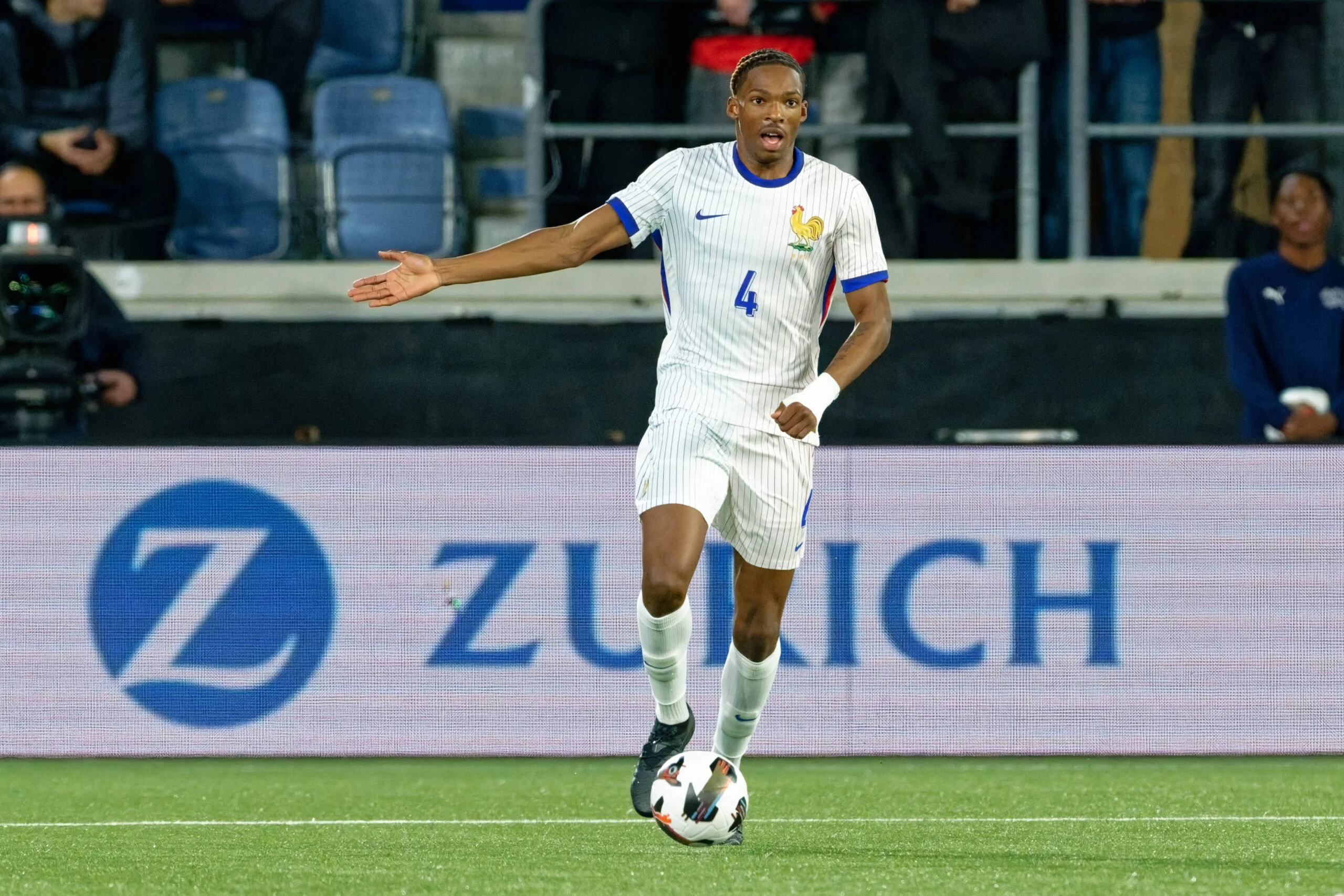
This suggests that Jacquet is unlikely to be fit for the upcoming match against Wrexham, with the final fixture in the US tour seen as a more realistic target for his return. Caution seems justified, especially given that most injuries of this nature can take longer to heal adequately and can become chronic if not managed properly. The emphasis on player care is commendable but throws up concerns about readiness as the season begins.
Concerns Over Gomez's Condition
More pressing is the uncertainty surrounding Gomez's injury. Iraola refrained from providing specifics about its severity, typically an indication that further evaluation is needed. Without a clear diagnosis, it’s hard for the team to prepare strategical adjustments, and this ambiguity puts the club in a precarious position. In pre-season, managers often avoid risking seasoned players during tightly scheduled fixtures, so Liverpool may adopt a conservative stance regarding Gomez's fitness to minimize long-term damage.
If Gomez is ruled out, Ndiaye and Ndukwe could once again fill the void in central defense. While gaining experience against senior teams is invaluable for young players, Liverpool is on the cusp of a decision-making crisis—balancing the need to inject youth into the squad while also prioritizing defensive stability. What happens when youthful inexperience collides with the high expectations that come from being a top-tier club? This concern looms large as the season nears.
Increased Urgency in the Transfer Market
Iraola has made it abundantly clear that he seeks additional depth in the squad, a need that these recent injuries magnify. The lack of sufficient center-backs is not merely an oversight; it’s an urgent situation that demands rectification ahead of competitive fixtures. As the club looks to bolster its ranks, decisions made in the transfer market will take on even greater significance.
In July, a few absences in defense can be managed, but as August approaches, any continued shortage could reflect poor foresight. The club needs to remember past seasons where understocked defenses experienced chaos when midfielders were hastily shifted into unfamiliar defensive roles. Many fans will likely recall those moments of desperation when positions become catch-alls instead of clear tactical roles. There's no desire to revisit that scenario now that the transfer window allows for potential solutions.
As it stands, Jacquet appears close to a return while Gomez’s status remains murky. This situation underscores the fragility of Liverpool’s center-back options. If injuries continue to stack up, this could raise alarm bells significantly—especially at a stage where consistency and reliability in defense are essential to compete effectively.
The Outlook: Where Does Liverpool Go From Here?
What's clear is that Liverpool finds itself at a crossroads. If you're working in this space, you can feel the tension brewing: Will the team prioritize ahead of the competition and secure the players they need? Or will they risk the approach of the season with unproven talents in key areas? The stakes couldn't be higher, with fans hoping that lessons from history won’t be repeated.
By addressing these defensive issues and securing reinforcements, Liverpool stands a better chance of competing at the top level. But as injuries pile up, let's not kid ourselves about the potential for instability. The implications stretch far beyond mere player rotation; they touch upon the club’s very competitiveness in domestic and European ambitions.
This situation represents much more than a series of injuries or a pre-season shuffle. It speaks directly to Liverpool's strategy, depth, and future aspirations. The decisions made ahead of the season kickoff could affect their slate for months to come, and fans will be keeping a close eye on how this unfolds.